

What kind of frost is dangerous for pouring concrete?
Concrete is a reliable and widely used building material that is used for the construction of buildings, roads, bridges and other infrastructure facilities. However, despite its strength and stability, concrete is sensitive to negative weather conditions, in particular to low temperatures and frosts. In this article we will look at what kind of frost is dangerous for pouring concrete and what measures can be taken to ensure safe and high-quality construction in cold conditions.
Concrete temperature and freezing
Concrete, being a material based on cement and water, is sensitive to temperature fluctuations of the environment. The optimal temperature for pouring concrete may vary depending on the type of concrete and the specific conditions, but it is generally considered that concrete is exposed to danger at temperatures close to zero degrees Celsius (0°C) and below.
When the water in the concrete freezes, it expands, which can lead to the formation of microcracks in the concrete structure. This is especially important in the initial hours and days after pouring, when the concrete has not yet reached its full strength. Microcracks formed as a result of water freezing can become a source of future problems with the strength and durability of the concrete structure.

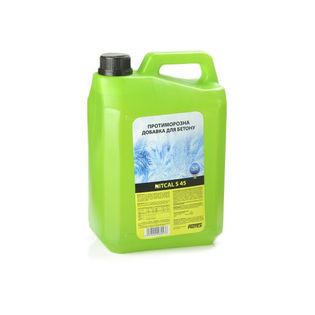
To reduce the risk of concrete damage at low temperatures and frosts, the following measures can be taken:
1. Antifreeze additives:
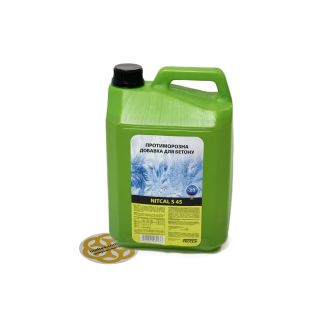
Antifreeze additives are special chemicals that are added to the concrete mix to prevent water from freezing inside the concrete. They improve the resistance of concrete to cold and help to avoid the formation of microcracks.
2. Thermal insulation:
The application of thermal insulation around the concrete structure can help to keep the heat inside the concrete and prevent it from freezing. This is especially important for long periods of low temperatures.
3. Concrete heating:
In the case of extremely low temperatures, heating systems can be used to maintain an optimal temperature in the concrete mass. This allows you to avoid freezing and ensure the normal solidification of concrete.
4. Protective coatings:
Protective coatings such as insulation and films can be used to create a barrier between concrete and the cold environment
Pouring concrete at low temperatures and freezing temperatures can be a risky undertaking, but with the right precautions and the use of specialized additives and methods, it is possible to ensure safe and successful construction during cold periods. It is important to consult with engineers and concrete specialists in order to choose optimal solutions and guarantee the quality of concrete structures even in adverse climatic conditions.