

Protection of concrete from frost
 Concrete is a fundamental building material used in the construction of various objects, from houses to bridges and roads. However, concrete is not the most resistant to low temperatures material and may lose its strength in winter. In such situations, antifreeze additives, such as Sanpol, come to the rescue. In this article we will look at why such additives play an important role and how exactly they help to improve the characteristics of concrete.
1. Protection from cold
Antifreeze additives, such as Sanpol, are designed specifically to protect concrete from the negative effects of low temperatures. When the environment gets cold, the water inside the concrete mix can freeze and expand, which can cause damage to the concrete. Antifreeze additives include special components that prevent the freezing of water inside the concrete. This makes concrete more resistant to cold temperatures and allows it to be used in winter conditions.
2. Acceleration of strength gain
Antifreeze additives, such as Sanpol, also help to accelerate the process of acquiring concrete strength. In the cold season, the concrete hardening process is slower. This can slow down the pace of construction and increase the time required to 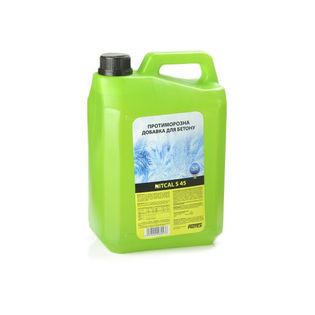 achieve the required structural strength. Antifreeze additives activate the process of hydration of cement, which allows concrete to acquire the necessary strength faster, even at low temperatures.
3. Acceleration of cement hydration
At low temperatures, cement hydration (the process by which cement combines with water and hardens) is slower. Antifreeze additives such as Sanpol stimulate this process by accelerating the chemical reaction between cement and water. This not only increases the strength of concrete, but also helps to distribute internal stresses more evenly, which makes concrete more resistant to frost and temperature changes.
4. Maintaining the mobility of the mixture
Another important aspect provided by antifreeze additives, such as Sanpol, is to maintain the necessary consistency of the concrete mixture in cold conditions. In the cold, concrete can become thicker and more difficult to process. Antifreeze additives help to maintain the necessary fluidity of the mixture, which facilitates the process of laying and forming concrete structures.
Antifreeze additives, such as Sanpol, play an important role in ensuring the stability and strength of concrete structures at low temperatures. They prevent freezing, accelerate the process of acquiring strength and maintain the mobility of the mixture. If you need to build in winter or in cold conditions, antifreeze additives will become indispensable assistants in your construction. You can purchase them in the Budleya online store to ensure the high quality and reliability of your construction projects at any time of the year. Don't forget to choose and use these supplements correctly to achieve the best results in cold conditions.
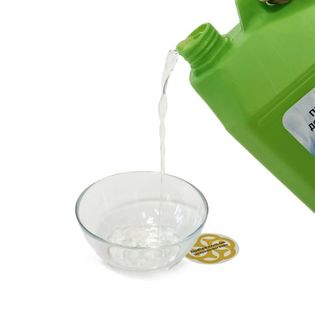 Pouring concrete in the presence of frost at night can be a risky and undesirable process. Frozen concrete can lose its strength and durability, as well as damage its structure. If the ambient temperature is so low that there is a risk of concrete freezing, it is better to postpone work until a warmer time or take additional measures to protect against frost.
If you still need to work with concrete in the presence of frost, here are some measures that you can take:
- The use of antifreeze additives:
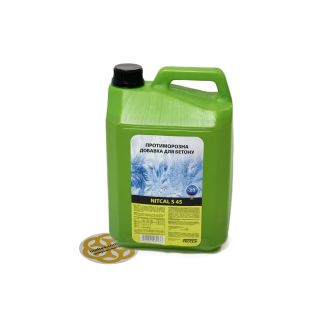
Adding special antifreeze additives to the concrete mix can help reduce the likelihood of concrete freezing at low temperatures.
- Concrete insulation:
Covering fresh concrete with insulation materials, films or other materials can help keep it warm in the initial stage of solidification.
- Use of thermal systems:
In some cases, heating systems are used to prevent concrete from freezing.
- Planning carefully:
It is necessary to carefully plan the work and take into account the temperature conditions in order to minimize the time spent on fresh concrete in the cold.
- Monitor the temperature:
Constantly monitor the temperature of the concrete and the environment and take measures to prevent freezing.
It must be remembered that lower temperatures can slow down the process of concrete hardening and affect its quality, so it is best to avoid pouring concrete in conditions of severe frost, if possible. It is important to contact specialists and follow local building regulations and recommendations for working with concrete in cold conditions.