

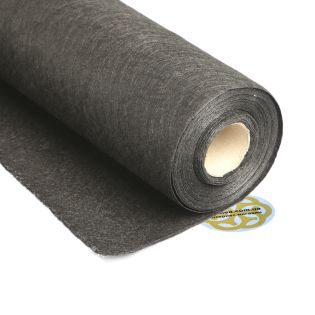
Geotextile for drainage
Everyone knows that rains and increased soil moisture significantly reduce the service life of buildings on the site, and plants develop slowly and get sick. Even in ancient Rome, the first primitive drainage systems were invented and today we can use ready-made ideas and tips that will not be difficult to find.
The durability of the drainage system directly depends on the characteristics of the site, the backfill soil, the amount of groundwater and the method of drainage. The most reliable and budget–friendly way to create a drainage system in your backyard is to make it yourself. Geotextiles play a very important role in the drainage system. In addition to geopolotally increasing the durability of drainage pipes, it plays a major role in water filtration, prevents silting of pipes and subsidence of soil over the drainage trench.
Geotextile ensures the stability of the entire drainage system structure.
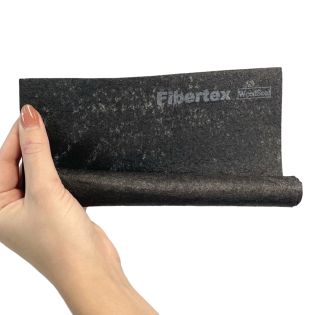
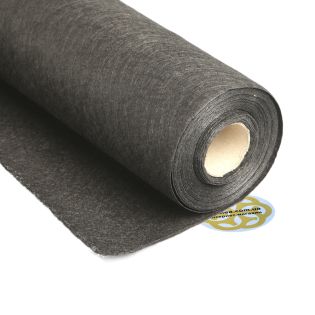
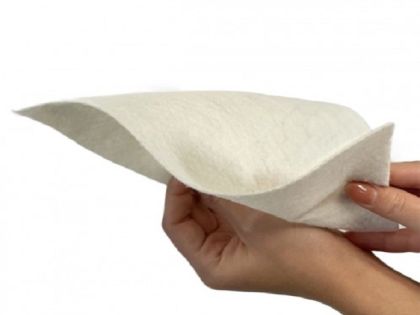
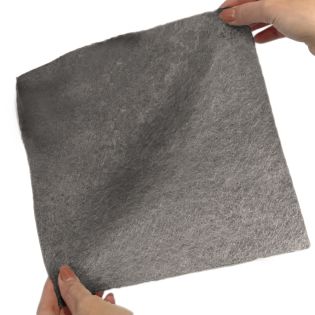
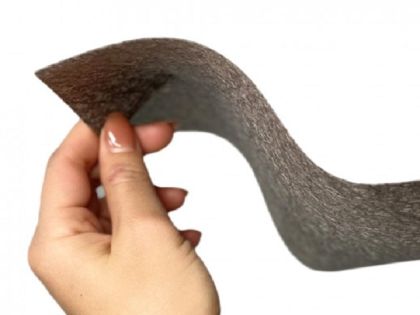
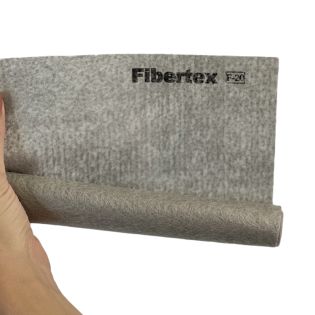
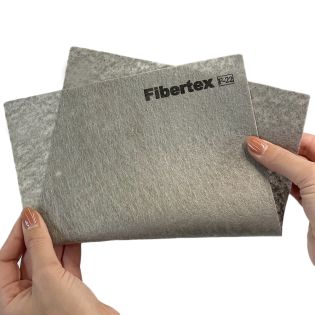
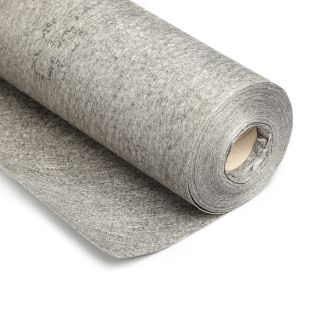
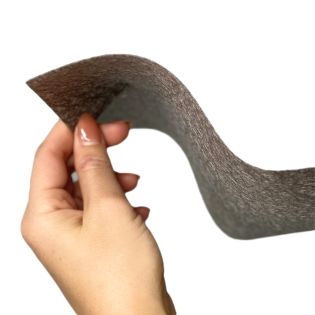
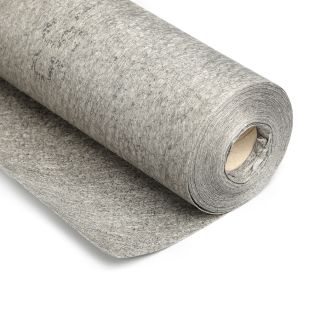
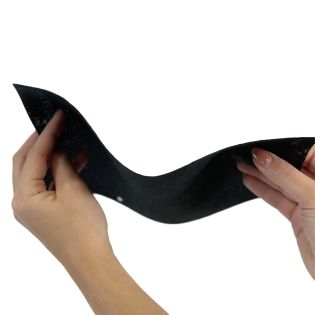
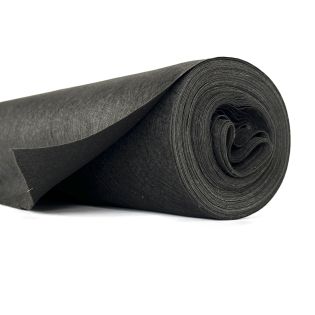
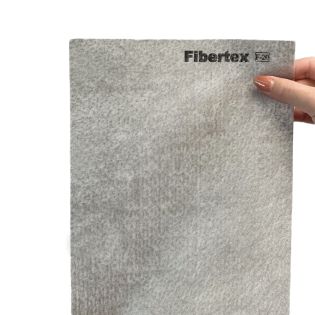
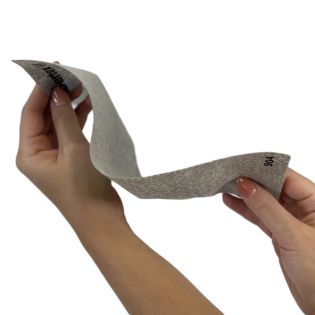
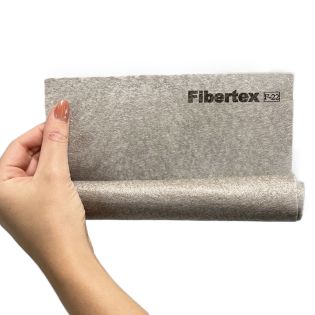
To create a drainage system, it is best to use thermally bonded geotextile. Conventional needle-punched geotextile is less hygroscopic and wrapping a drainage pipe with it, it will silt up faster, the soil can clog the pores of the geotextile and the drainage system will not function at 100%. Thermally bonded geotextile, due to its structure, is more durable, has a higher water transmission capacity, but at the same time it is thinner, which means an unobstructed passage of water without silting.
Another significant difference between thermally bonded geotextile is its high strength, it is able to withstand all significant loads, it does not matter whether you have deep or surface drainage – this geotextile will perfectly cope with its task.
Thermally fixed geotextiles are the best suited for drainage systems. Thanks to the unique production technology, the geotextile structure is homogeneous, durable and has high water permeability. Another advantage of thermally bonded geotextile is the combination of the highest quality, excellent physical and mechanical properties with a low price. Anyone who wants to make a drainage system on their garden plot can purchase thermally bonded geotextile in the amount they need and for a low price.
The technology of laying geotextiles in the drainage system is quite simple. Let's consider several options.
Geotextile laying technology for drainage system using crushed stone:
The first option
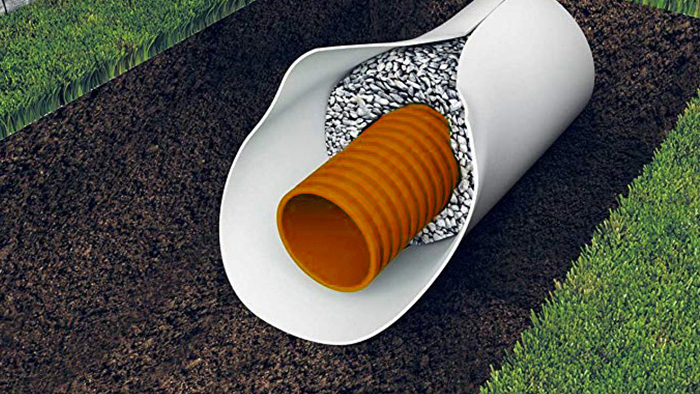 A drainage geotextile is laid in a pre-prepared trench (in order to calculate the width of the trench, you need to add the outer diameter of the pipe to 40 cm.), so that the bottom and walls of the trench are closed.
- Crushed stone with a layer of at least 10 cm is poured into the trench.
- A drainage pipe is being laid.
- Crushed stone 2/3 of the trench depth is filled into the drainage geotextile.
- The rubble is overlapped with geotextile and covered with soil
The second option
- Crushed stone, at least 10 cm, is poured into a pre-prepared trench.
- A drainage pipe is being laid.
- A layer of rubble is filled in, at least 30 cm.
- The edges of the filling are bent and geotextile is laid on top of the rubble, wrapping the edges.
- It is filled with soil.
Technology of laying drainage geotextile without rubble:
- A drainage pipe wrapped in geotextile is placed in a pre-prepared trench [iFrame]
- The trench is filled with soil
Such methods of laying geotextile are used both for drainage and for removing excess water from the site, draining swampy soil (waterlogged soils, a large amount of seasonal precipitation).
Additional products


 Shower drain CLASSIC BLACK 60 cm, horizontal, rain grate, black + hygienic shower AS A GIFT