

Geotextiles for garden paths
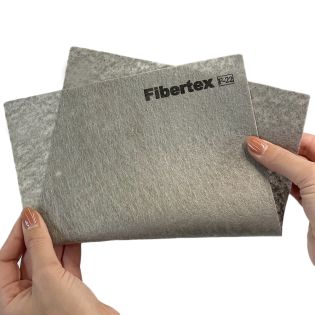
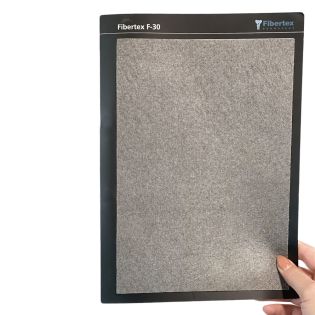
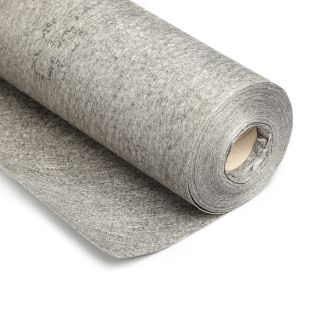
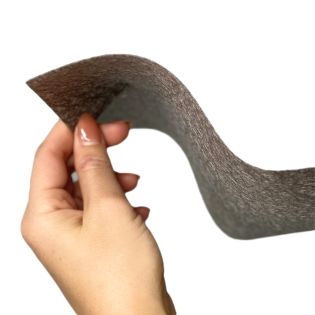
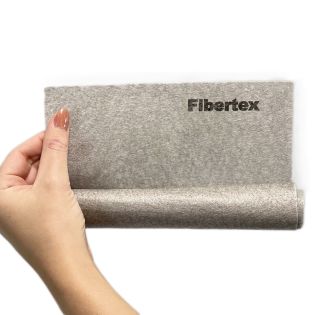
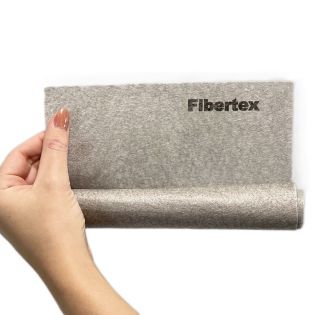
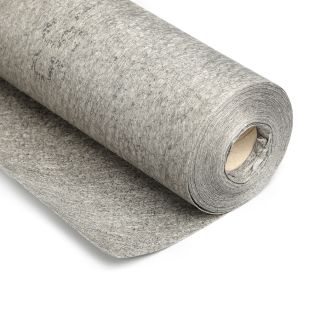
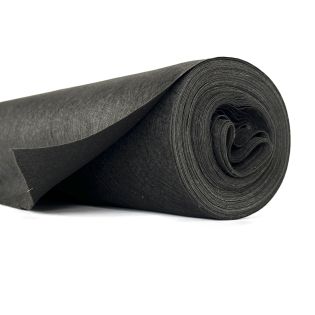
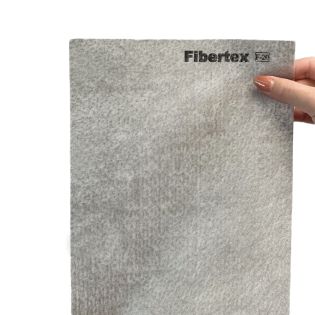
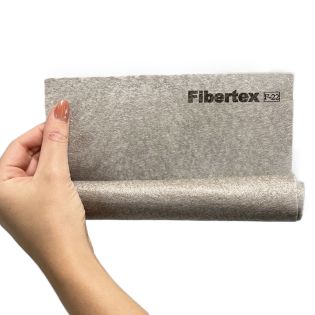
In the world of gardens and landscape design, creating beautiful and functional paths is becoming one of the key tasks. Geotextiles play the role of an indispensable assistant in this process, preparing the base for the paths and providing them with strength and durability. However, before making a choice, it is important to understand which geotextile is best suited to the conditions of your garden.
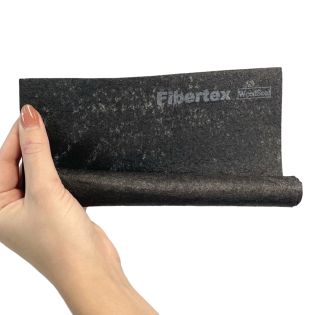
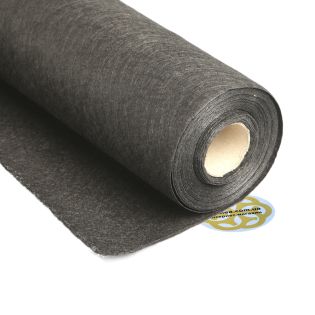
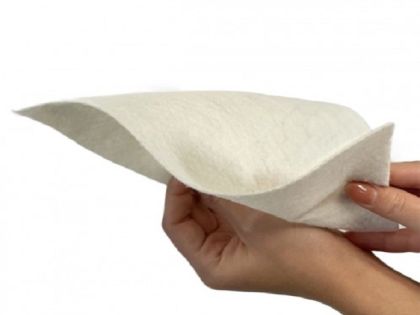
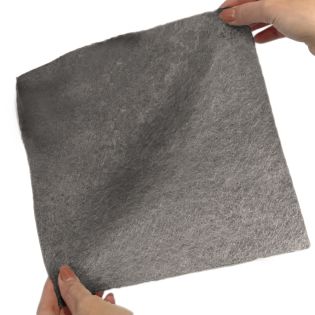
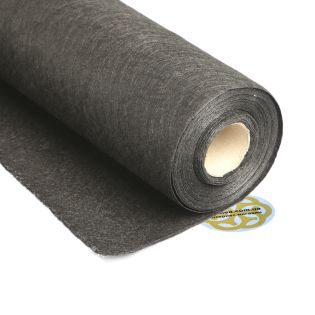
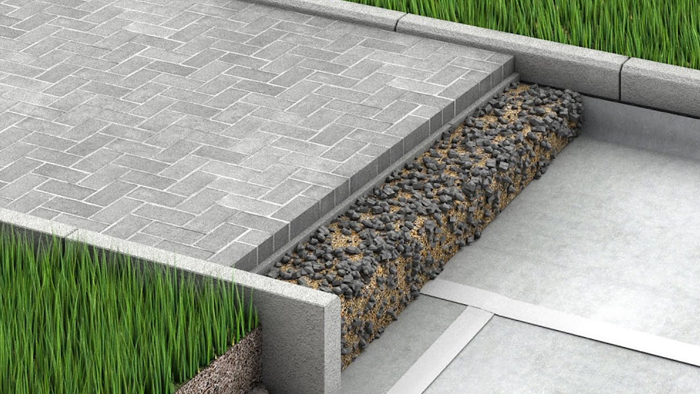 Unwoven (Non-fixed) This type of geotextile is characterized by the absence of fixed fibers and has high permeability. Ideal for drainage systems, preventing paths from clogging with water.
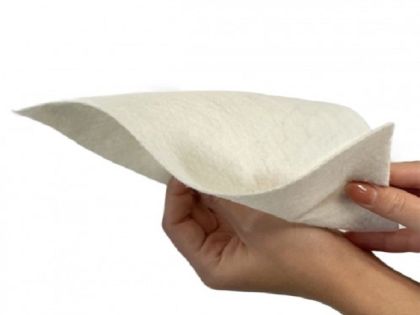
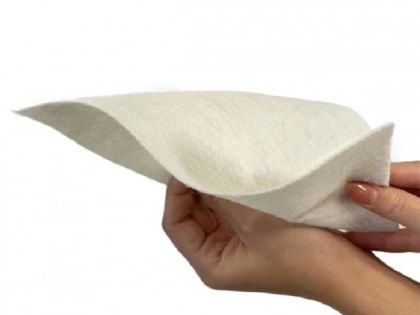
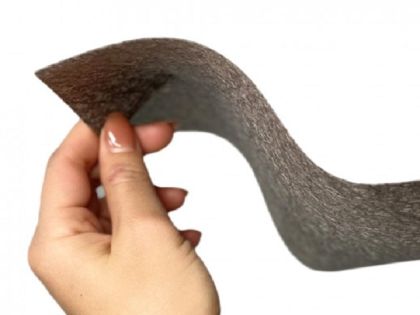
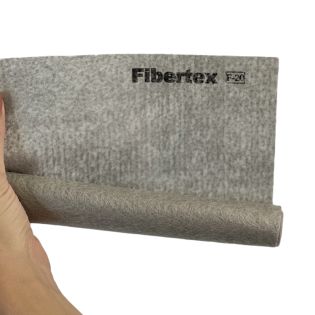
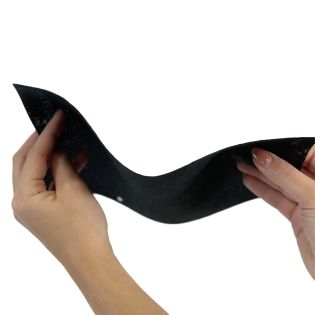
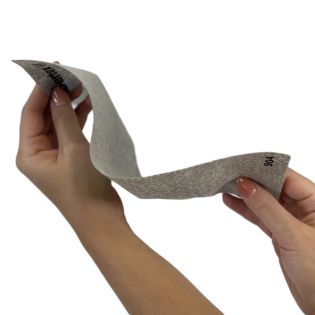
- Woven (Fixed): Unlike non-woven, this type has fixed fibers, making it stronger and more resistant to stretching. Provides good support and stability to the road surface. If your garden is prone to flooding or frequent rain, non-fixed geotextiles with high permeability are best. It will help to avoid the accumulation of water under the path, preventing its deformation.
If the soil in your garden is dense, then fixed geotextiles will be the preferred option. It will prevent soil from seeping through the path, ensuring its stability and strength. If paths will be passed frequently, especially with the use of gardening equipment or heavy loads, then it is better to choose more durable and stretch-resistant woven geotextiles.
Choosing the right geotextile for garden paths plays a key role in creating a beautiful and functional landscape. When making a decision, you should consider the characteristics of your garden, such as moisture levels, soil type and how often you use the paths. Regardless of your choice, properly installed geotextiles will help create long-lasting, sustainable paths that give your garden a finished, well-maintained look.
Additional products



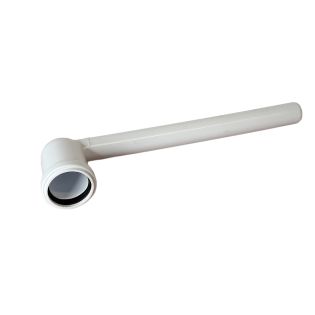 Corner pipe Ø32/50-339 mm for tray, white