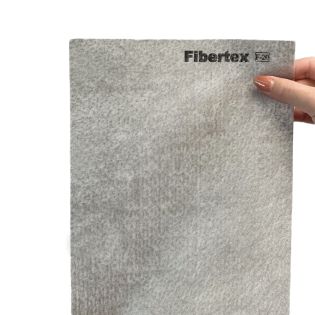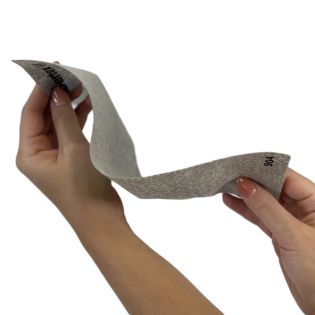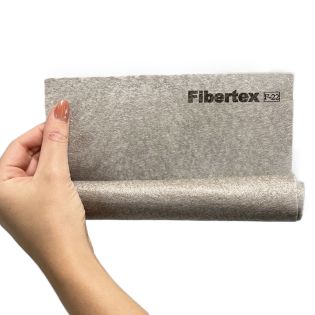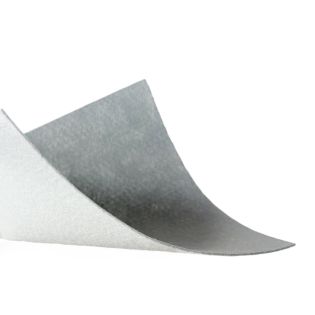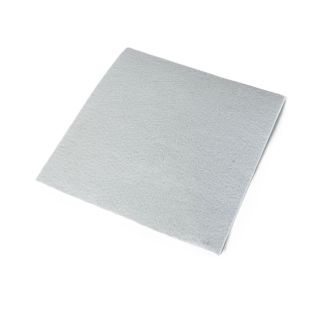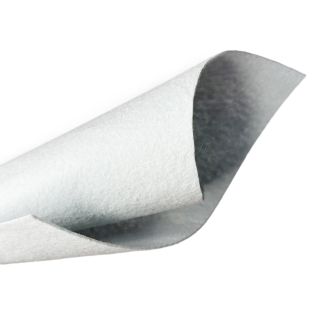


Geotextile for laying paving slabs
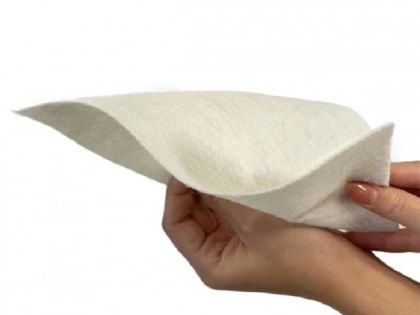
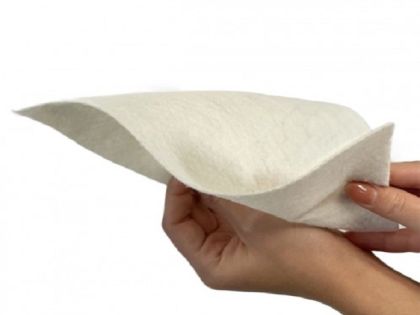
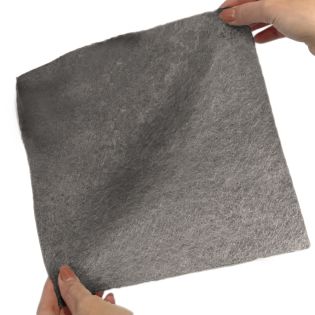
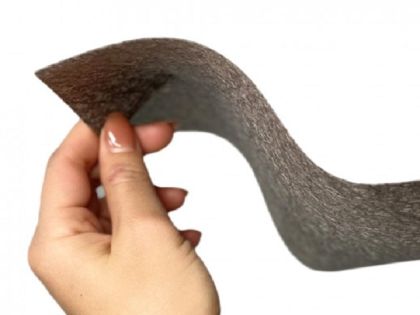
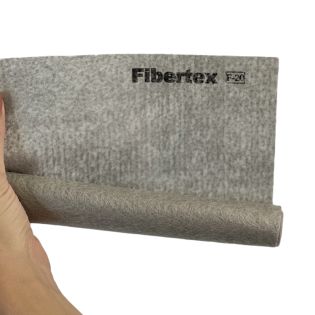
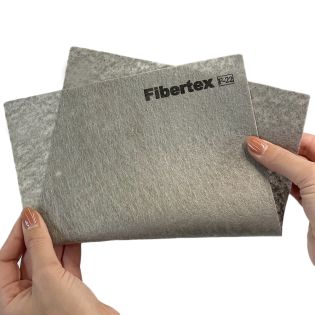
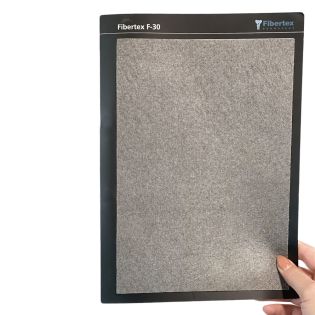
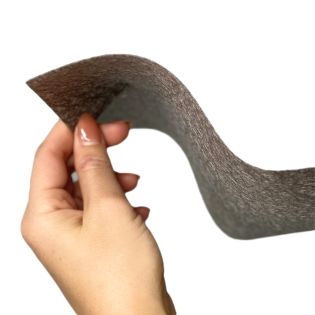
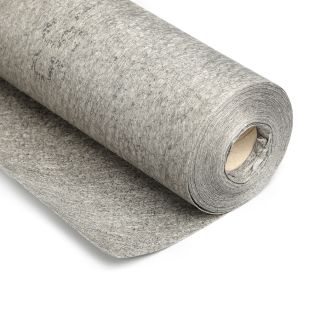
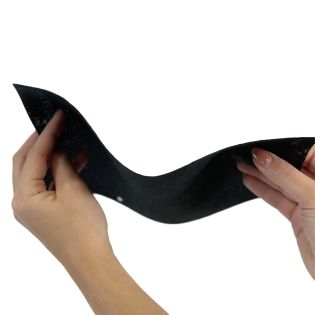
Geotextile stabilizes the topsoil and prevents the formation of wheel tracks on the tile surface. It is used in places exposed to high loads, i.e. under driveways, parking lots, storage areas, playgrounds, etc. Geotextile fabric passes water well and thus prevents the formation of puddles on the surface.
Laying geotextiles to stabilize the road surface:
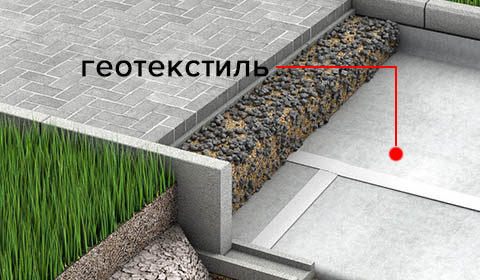 Stage 1
The condition for reliable laying of all types of paving slabs (paving stones) is a properly prepared foundation. Before preparing the base, it is recommended to remove approximately 35 cm of soil. Then, geotextile is rolled out on top of the underlying layer, which is covered with a layer of filler of the selected granulometric composition with a thickness of 25 cm as a bearing layer. Geotextile provides a reliable separation of these two layers. Both layers need to be compacted very well. The edges of the geotextile should be on top of each other. The overlap along the strips should be 20 cm.
- Stage 2
After the bearing layer of the granulometric composition is leveled and rammed, it is again laid on top of it. This will help to avoid sand seepage and subsidence of the coating in the future. Next, a leveling layer of wet coarse sand with a thickness of 5 cm is adjusted at the appropriate height. The leveling layer should not be too thick and will not be compacted.
- Stage 3
Then the tile is laid. Laying tiles on geotextile is very easy and simple. Install a curb along the outer edge to prevent the plates from shifting further. At the end of the work, the gaps between the tiles are filled with a mixture of dry sand and cement. The dry mixture is poured onto the surface of the path and swept with a broom, filling the gaps between the paving slabs. The interplate seams filled with a dry mixture allow excessive moisture to seep out after rain, preventing the formation of puddles.
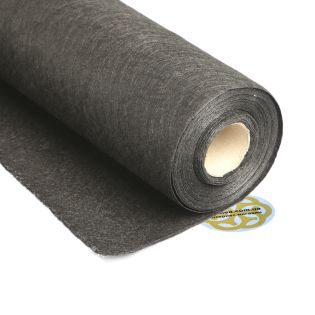
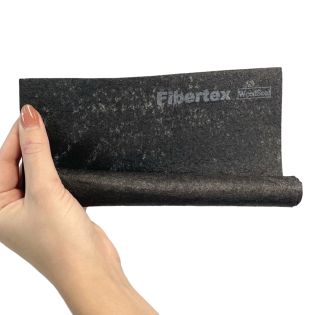
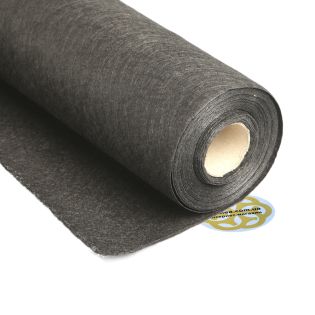
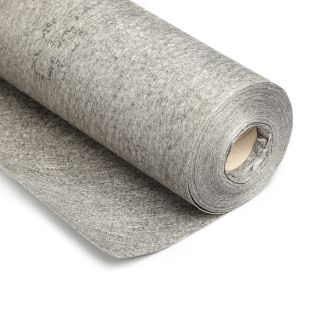
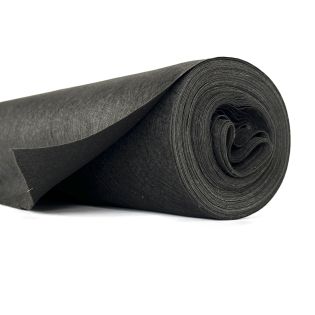
We offer geotextiles for stabilizing the road surface in rolls, 1 m wide, winding 12 m and 25 m, density 125 g/m2.