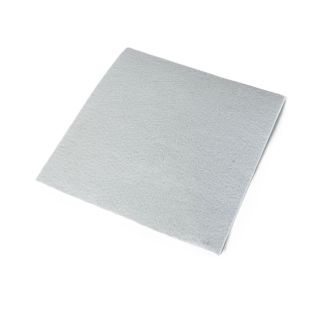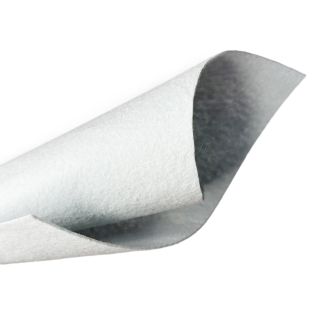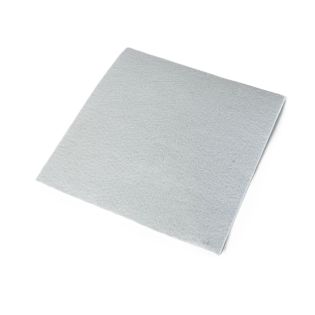


Geotextile heat-treated
In this article, we will talk about heat treated geotextile, its function and where it is used.
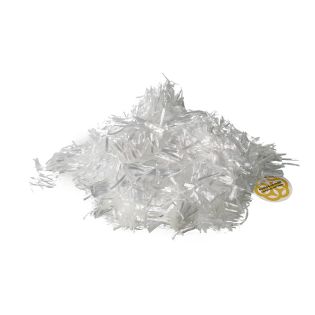
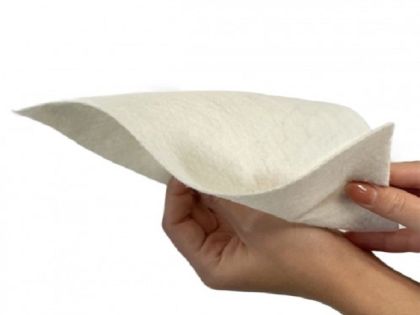
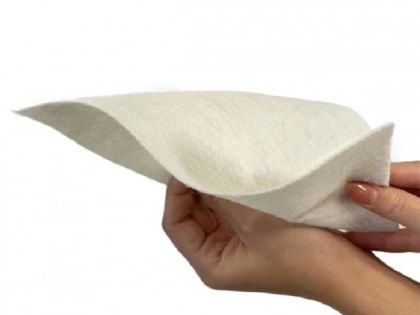
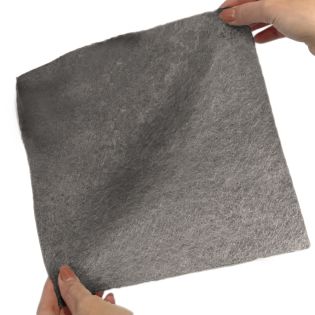
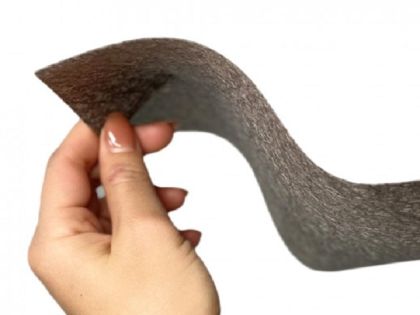
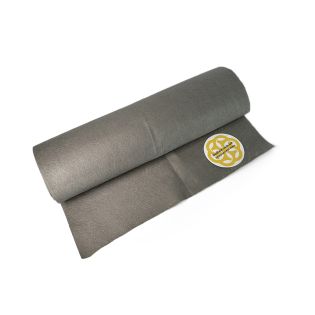
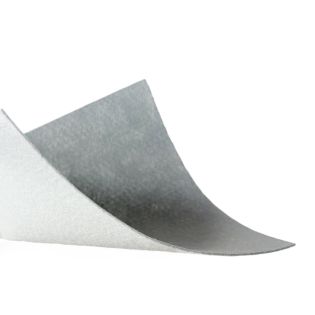
Heat-treated geotextile is a non-woven fabric that is needle-punched from polyester or polypropylene fibers. To ensure higher strength characteristics, the heat-treated fabric additionally undergoes heat treatment on its surface on both sides. Such geotextile retains drainage and filtering properties, but, at the same time, is much more resistant to puncture and tear than needle-punched.
Heat-treated geotextile performs the following functions:
- Separation of bulk materials, such as: soil, sand, crushed stone, screenings of different fractions;
- Reinforcing and increasing the bearing capacity of weak foundations;
- Filtration in drainage systems
- Soil erosion protection
The technical data of the material allows the use of heat-treated geotextiles:
- in the construction of hydraulic structures
- when installing an inverted roof
- in the construction of roads and railways
- in landscaping and landscape design
- when installing drainage systems
- in the clothing and footwear industry
- in furniture production
Due to the fact that the material is made exclusively from synthetic fibers, it is resistant to rodents and insects, does not rot and is resistant to thermal oxidative aging.
What geotextile to choose for a PVC membrane?
To protect the PVC membrane from mechanical damage, it is recommended to use heat-treated geotextile with a density of 150 to 300 g/m2. Unlike needle-punched, this type of geotextile has fibers firmly bonded to each other, which during installation will not be wound around self-tapping screws or other fasteners.
What geotextile to choose to strengthen the slopes?
To strengthen the slopes, it is recommended to use geotextiles with a density in the range of 200-350 g/m2. The choice of thickness is influenced by parameters such as the steepness of the slopes, the stability of the soil and the presence of groundwater. The greater the degree of slope, the stronger the geotextile is needed. If the primary task is to strengthen and reinforce the slopes, then it is worth giving preference to the heat-treated type. In combination with a volumetric geogrid and other gabions, geotextiles will prevent the destruction of slopes and is an excellent drainage material.
What geotextile to choose for a temporary road?
When creating temporary roads, expensive and high-quality materials are rarely used, since their reuse in the future is practically impossible. Any road is subjected to heavy loads created by cars and large vehicles. Therefore, it is worth giving preference to a canvas with increased strength indicators - heat-treated geotextile with a density of 200-300 g / m².