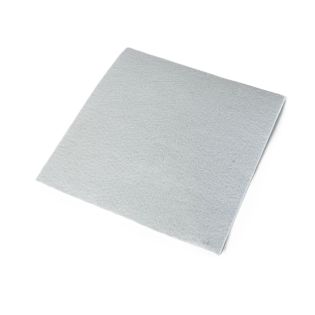


How to choose geotextile
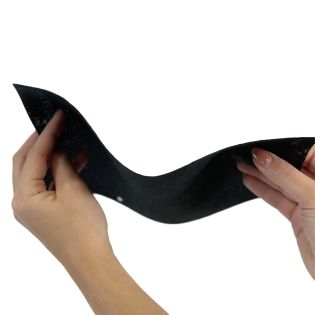
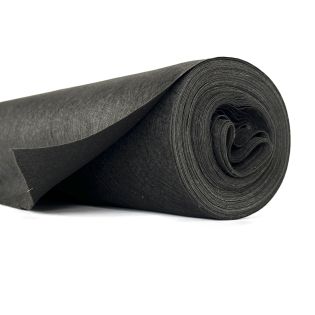
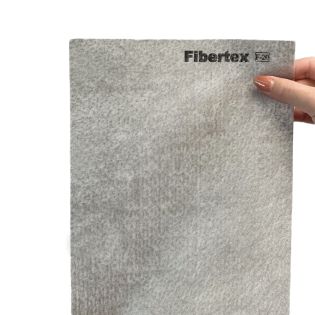
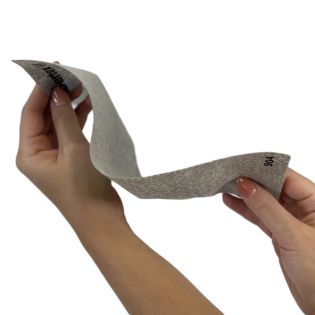
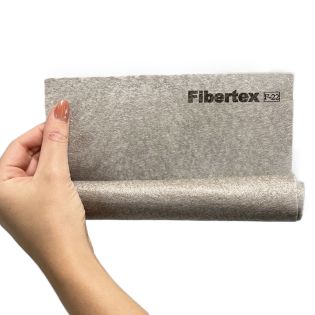
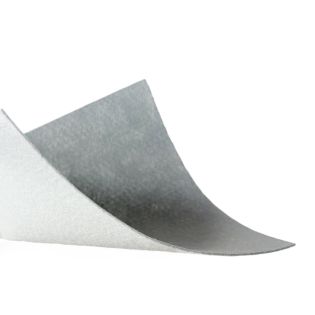
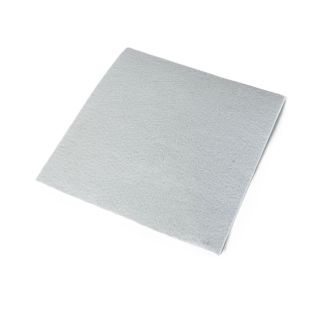
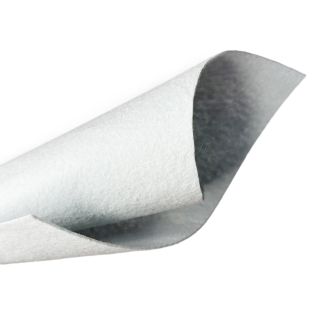
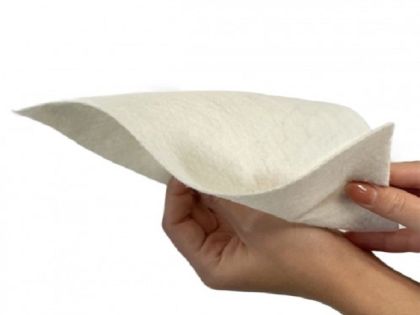
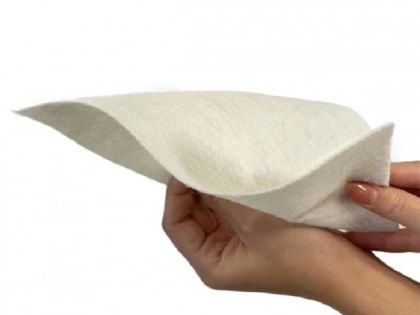
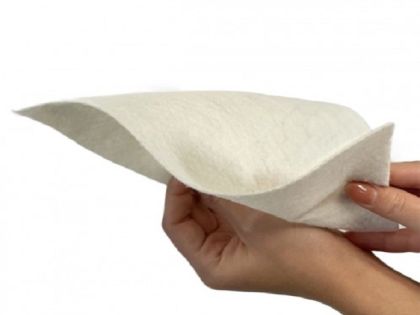
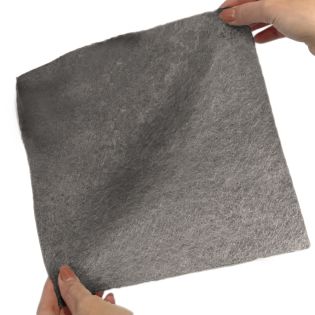
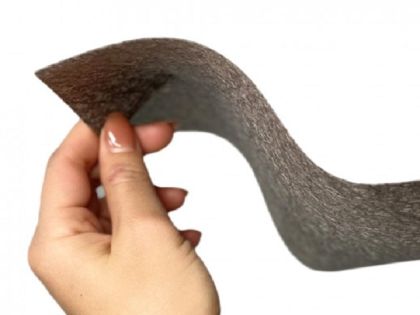
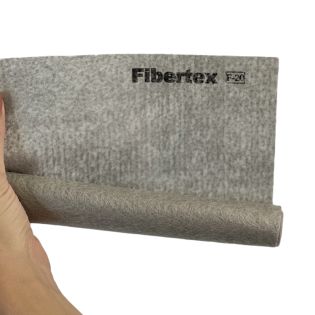
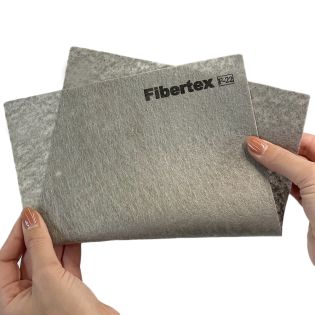
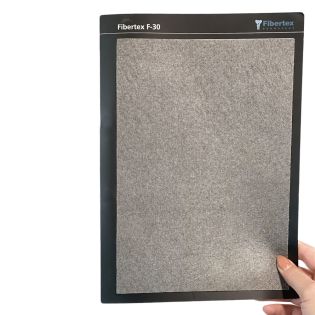
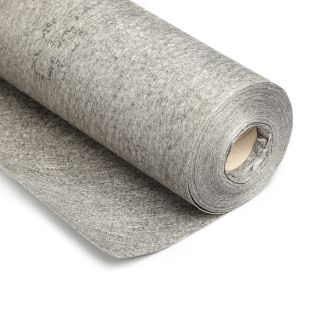
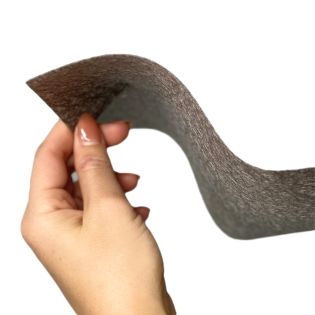
Geotextile or geotextile is used for various purposes. The material, which is a non-woven fabric made in a special way, has become very widespread. The manufacturing process is carried out by two methods: needle-punched or thermally bonded.
The properties of materials also depend directly on the choice of the method. The canvas, which is made in a thermally bonded way, is heated during production. This method has a distinctive feature - the fabric has increased strength with a reduced thickness of the material. At the same time, there is a minus - its ability to pass water is not very high.
Geotextiles are divided into the following types:
- Polyester or polypropylene geotextile. This material is one of the highest quality.
- Made from staple raw materials or from monofilament - has high quality and durability.
- From mixed threads. This material is made from waste from the textile industry. It is worth noting that the composition of the canvas may include both wool and cotton threads, which eventually undergo rotting. This type of canvas only partially meets the requirements that are put before building materials. For these reasons, it is used only in some projects.
Choosing geotextile for drainage
In order to properly equip the drainage system, it is necessary to use geotextile, which meets a number of requirements. First of all, it is stiffness, porosity, as well as elasticity. This is due to the fact that the material has to "work" as a strong interlayer that separates the drainage layers. In addition, it must have an increased throughput, because a huge amount of moisture passes through the structure.
The main task of the geo-field in such a system is to maintain the stable operation of the complex, as well as to prevent mixing of layers of crushed stone and soil. Its use will help strengthen the structure, as well as protect it from clogging with soil particles and clogging of water with crushed stone.
In addition, there is a filter that helps to avoid silting of the material or pipe. The optimal fabric for these purposes is considered to be a monofilament geotextile with a density ranging from 200 to 300 g/ m2.
There is an alternative method of drainage without a layer of rubble. It is distinguished by its simplicity, but at the same time it is an overhead from a financial point of view. To implement it, crushed stone is replaced with ordinary drainage mats. They are also wrapped in geotextile. In this case, a geosynthetic with a density in the range of 150-200 g/m2 is perfect.
Geotextile for construction
 When separating layers of soil and other building materials, professionals recommend choosing thermally bonded geotextile. The fact is that it is not clogged with soil, unlike needle-punched cloth, which often becomes clogged and quickly loses its properties.
In the construction of roads, a non-woven fabric with reinforcement from a strong mesh is used. The secret of this material is that it completely distributes any point load on the surface.
In the organization of the foundation, geotextile is used at the initial stages of work as a material for forming and strengthening the foundation for the foundation. There are also subtleties here, because if the reinforced geotextile is laid correctly, it is possible to avoid mixing sand and earth, which will positively affect the subsequent construction and durability of the entire structure.
What you need to know when laying geopolotn
It should be understood that when laying, it is necessary to firmly follow the instructions and recommendations of the manufacturer so that the system works optimally. If they are violated, the system will quickly lose its operational characteristics.
To perform the functions assigned to it by the material, manufacturers recommend taking into account the following points:
1. It is important to thoroughly clean the trench from debris. In addition, it is necessary to align the walls.
2. Some types of geotextiles are sensitive to radiation, so professionals advise removing the packaging at the last moment, before starting work directly.
3. It is important to remember about the overlap allowances when cutting the panel.
4. Fragments of fabric that were damaged when filling the drainage should be replaced without fail.
5. The overlap is selected based on the size of the trench, and the intensity of the water flow is also taken into account when arranging drainage.
6. To reduce the chances of damage to the canvas, it is recommended to fill in the drainage layer immediately after laying.
There are a huge number of brands that differ both in their quality and cost. For the right choice of geotextile, it is necessary to focus on the density, method of manufacture and other characteristics of geotextile.
Additional products
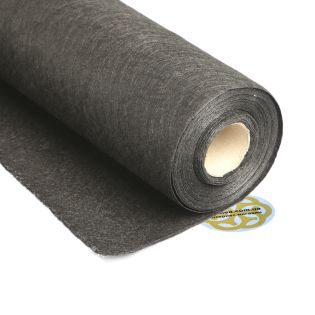


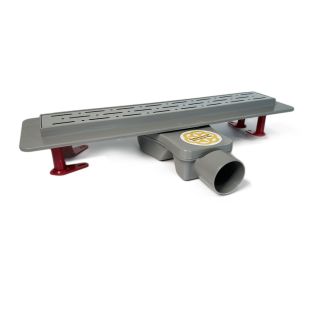 Shower drain LUNA ROTATION 40 cm with flange, rain grate, swivel siphon, double shutter
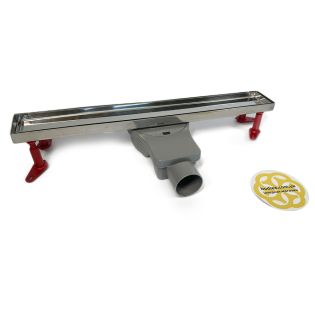 Shower drain GALA TILE INSERT 50 cm, horizontal, tile grate, swivel siphon, combined shutter

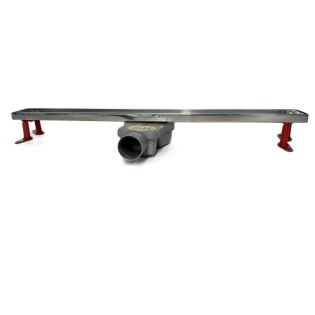 Shower drain GALA TILE INSERT 70 cm, horizontal, tile grate, swivel siphon, combined shutter
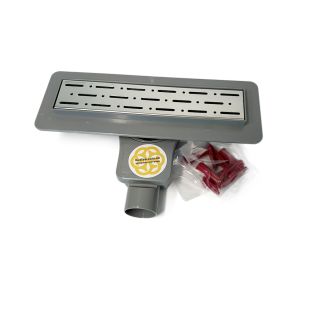 Shower drain LUNA ROTATION 30 cm with flange, rain grate, swivel siphon, double shutter
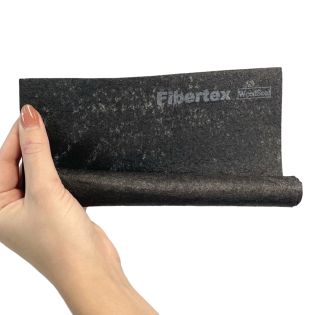
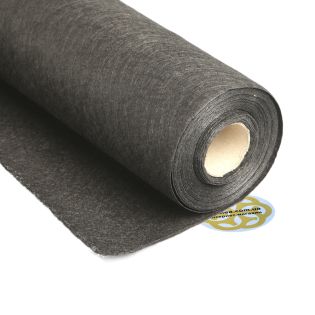







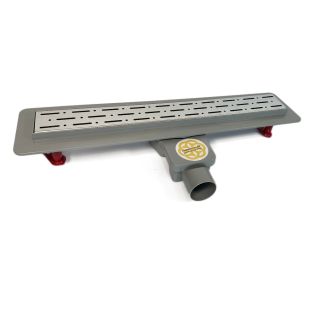 Shower drain LUNA ROTATION 50 cm with flange, rain grate, swivel siphon, double shutter
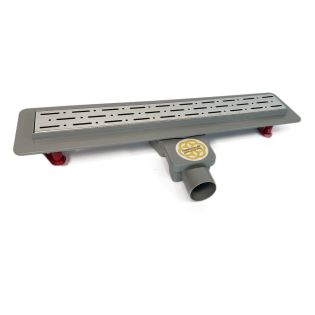 Shower drain LUNA ROTATION 80 cm with flange, rain grate, swivel siphon, double shutter
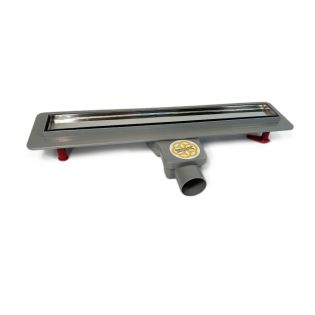 Shower drain LUNA GALA ROTATION 50 cm with flange, tile grate, swivel siphon, double shutter
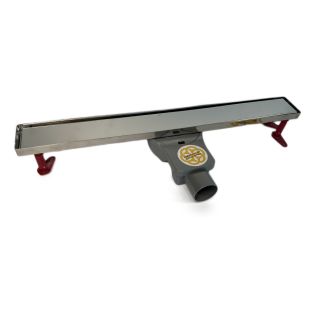 Shower drain GALA TILE INSERT 60 cm, horizontal, grate for tiles, swivel siphon, combined shutter
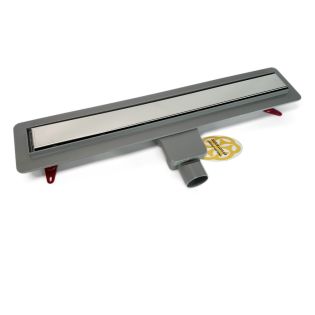 Копия Shower drain LUNA GALA ROTATION 50 cm with flange, tile grate, swivel siphon, double shutter
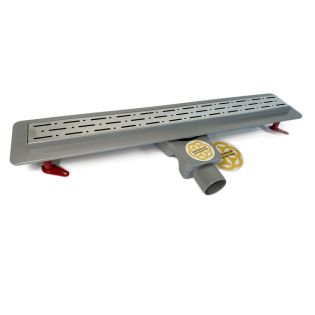 Shower drain LUNA ROTATION 60 cm with flange, rain grate, swivel siphon, double shutter
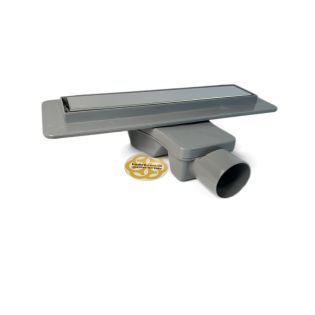 Shower drain LUNA GALA ROTATION 30 cm with flange, tile grate, swivel siphon, double shutter
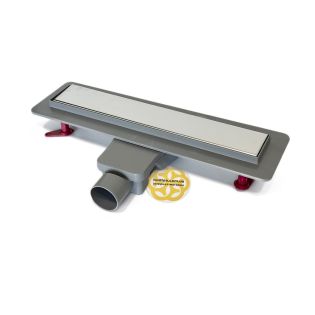 Shower drain LUNA GALA ROTATION 40 cm with flange, tile grate, swivel siphon, double shutter
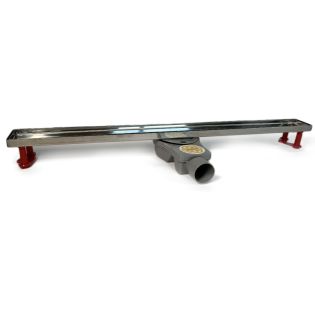 Shower drain GALA TILE INSERT 80 cm, grate for tiles, swivel siphon, combined shutter