

Foot valve
In the world of plumbing, where every detail matters, foot valves have a special place. They seem to be hidden from view, but their influence on the functioning of plumbing systems cannot be overestimated. Let's plunge into the world of foot valves and figure out how they work, why they are needed and what types exist.
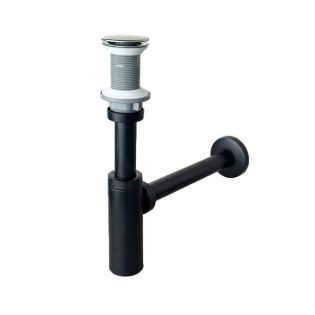
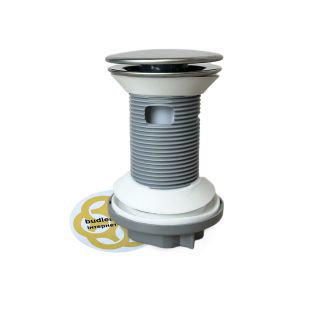
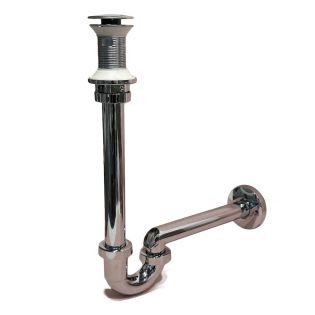
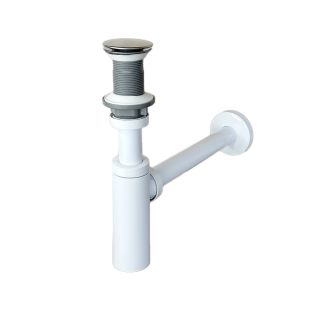
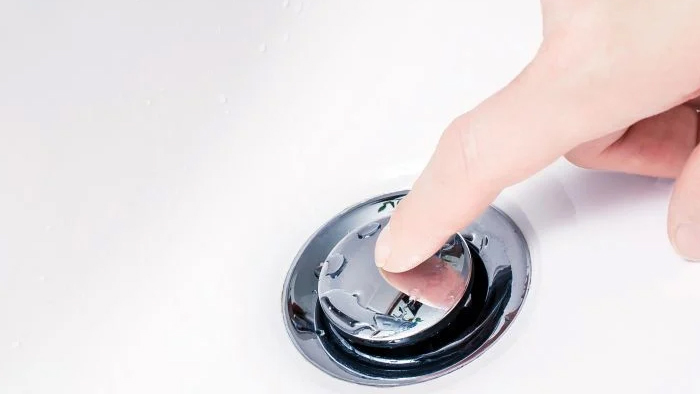 Click-Clack type bottom valves are simple and reliable devices. They respond to water pressure by adjusting the flow and direction of water when pressed. This process is carried out by a special mechanism that rises or lowers, opening or closing the flow.
Overflow bottom valves have the additional function of preventing water from overflowing from the bathtub or sink when the level gets too high. This is especially important to avoid water spilling on the floor if someone forgets to turn off the tap. While bottom valves without overflow simply control the flow of water without additional functions.
D  valves in faucets play a key role in regulating water flow and temperature. They allow you to precisely adjust the desired temperature and intensity of the water, ensuring comfort when taking a shower or bath. Thanks to the bottom valve, we can enjoy the process without worrying about unexpected changes in temperature or water flow.
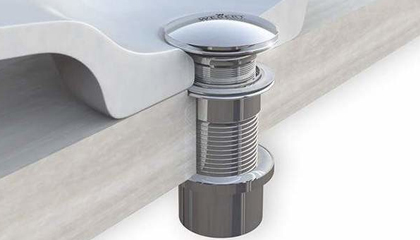
There are several types of foot valves, each of which has its own characteristics and advantages. Some of the most common types include ball, ceramic, and component valves. Each of them has its own advantages depending on the operating conditions and user needs.
Ultimately, whilefoot valves may seem like a small thing, their role in ensuring the comfort and safety of your plumbing system cannot be overstated. Understanding their operation and the variety of types will help you make the right choice when buying a faucet and ensure its trouble-free operation for many years.
Additional products
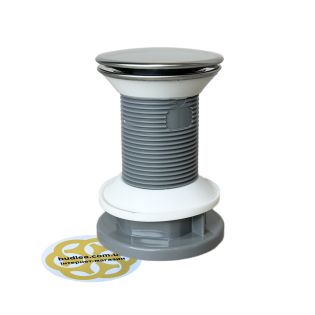 Basin valve FELIX 1-1/4" with CLICK-CLACK system


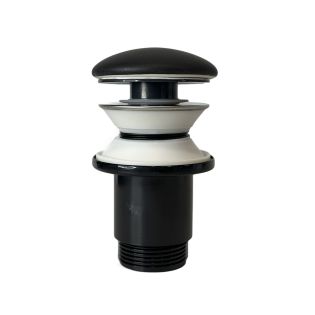 Elixir 1-1/4" ceramic sink waste with click-clack system, matte black
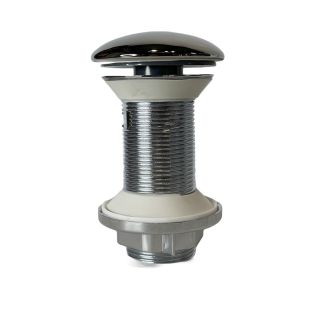 Elixir 1-1/4"ceramic sink waste with click-clack system, chrome finish