

Liquid soap dispenser and its functions
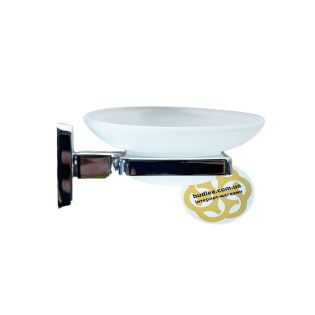
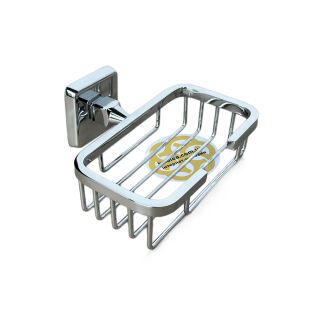
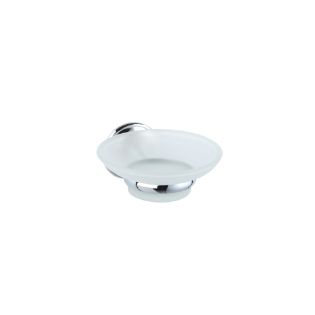
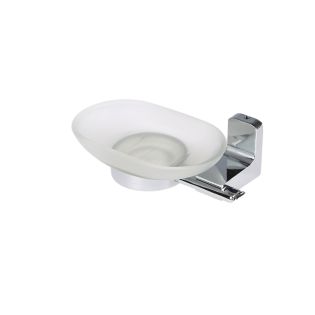
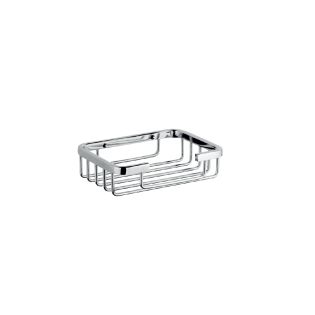
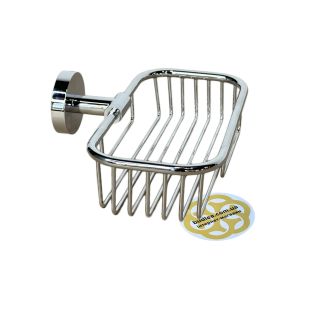
Now in the bathrooms of both home and public use, a soap dish can rarely be seen. This once necessary item has practically been replaced by a modern, more practical analogue – a dispenser, also known as a liquid soap dispenser.
Such a device, unlike obsolete soap dishes, is more hygienic, because it does not create an environment favorable for the reproduction of pathogenic microflora. The reason for the popularity of dispensers were their advantages such as simplicity and long service life, as well as ergonomics and affordable price.
In this article, we will talk about the principle of operation of liquid soap dispensers in accordance with their specific characteristics and give recommendations on the selection of appropriate accessories.
Structural features and typesThe dispenser for soap solution is a special container into which the detergent is poured.
Such a tank is hygienic and allows you to spend soap rationally.
This device provides detergent in a dosed and economical manner, in small portions. One dose is enough for a full-fledged washing of hands.
The use of the dispenser guarantees minimal contact with various surfaces, which also indicates hygiene.
 Currently, there are three types of dispensers on sale:
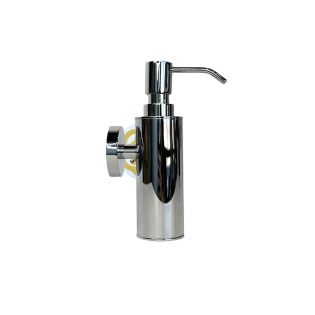
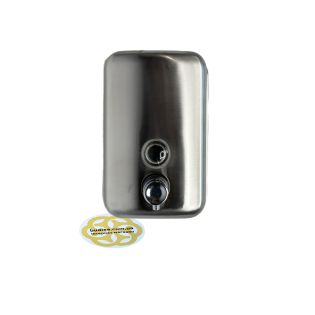
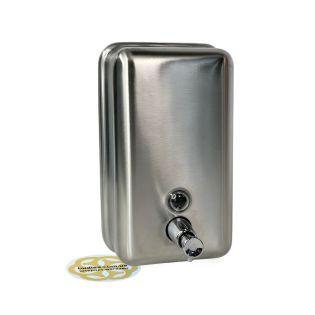
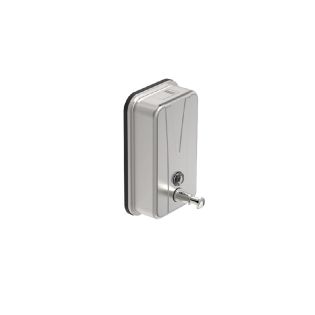
The simplest functionality is characterized by a mechanical device. Such an elementary accessory supplies soap when its lever or button is pressed.
The key advantage of mechanical dispensers is the budget cost. That is why these devices have become so widely used – they can be seen in the restrooms of medical and catering establishments, in the premises of shopping and sports complexes.
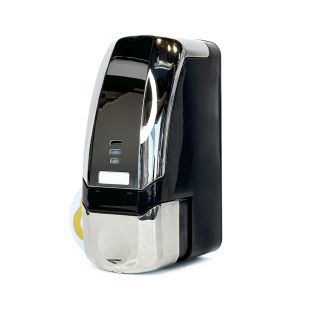
An alternative sensor dispenser for soap has received a relatively more complex design. The equipment of such a device includes an infrared indicator. The soapy liquid is supplied by the device as a result of holding the palm in the area of the corresponding sensor. Such accessories are triggered and the soap is served automatically.
Touch dispensers are more expensive than mechanical ones, but the chip of automated dispensers is greater security: their use is contactless.
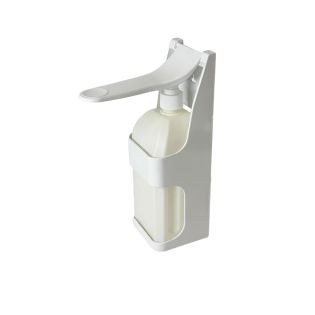
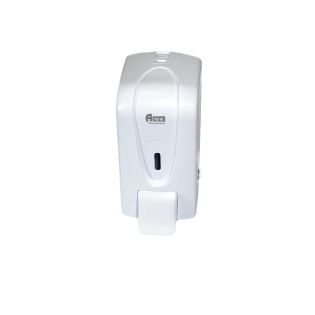
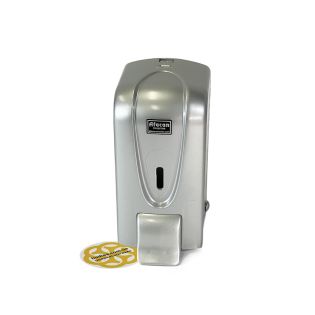
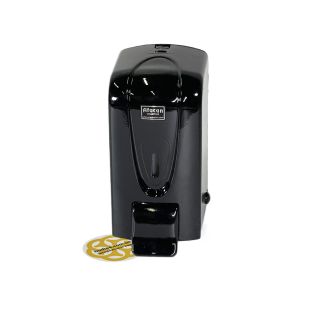
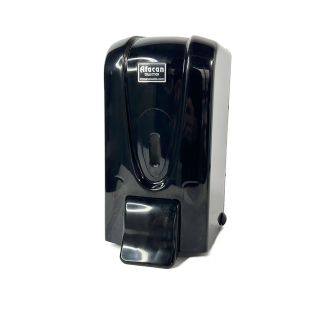
The principle of operation of elbow models is similar to mechanical ones. In order for the elbow unit to give out a portion of soap or antiseptic, you should press the lever on it. However, they do it not with a hand, but with an elbow. The advantage of this type of dispensers is to minimize contact with exposed areas of the skin.