

Food containers: practicality, freshness preservation and order in the kitchen
In today's world, where every minute counts and everyday habits are increasingly focused on efficiency and comfort, food containers have become an indispensable element in any kitchen. They not only provide convenient storage of products, but also help save time, minimize food waste, and maintain order and hygiene.
What is a food container?
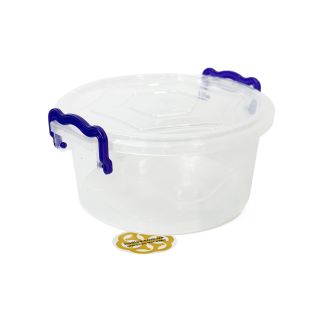
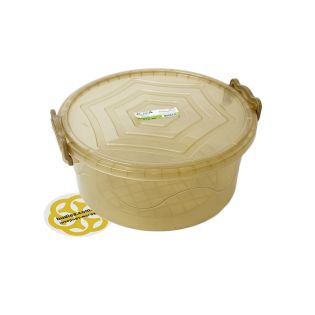
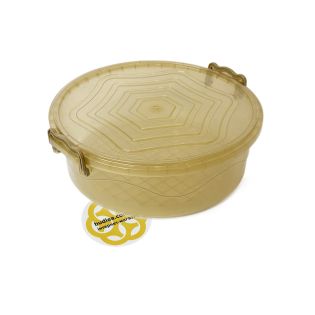
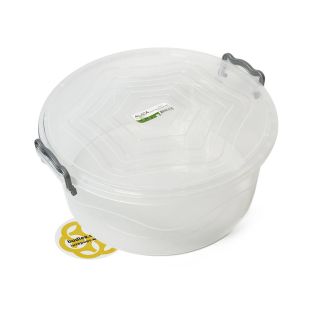
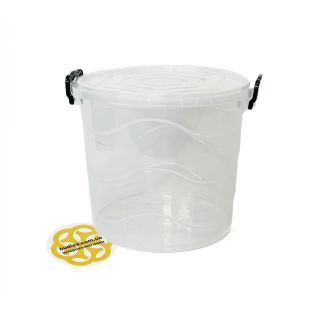
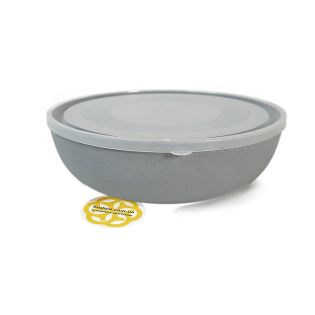
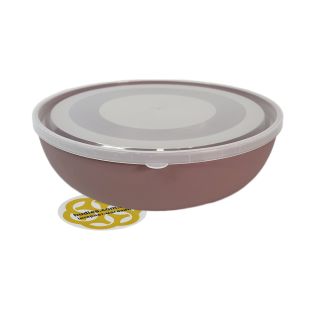
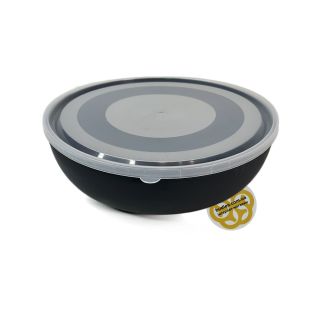
A food container is a sealed container of various shapes and volumes, designed for storing, transporting or freezing food products. Modern containers are made of safe plastic , glass or metal, do not interact with food and do not change its taste.
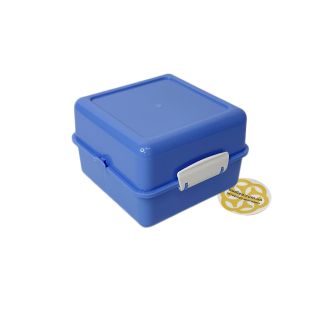
From simple lunch boxes to multi-level container systems , the market offers a wide selection for every taste and need. But the main task of any such product is to keep products fresh for as long as possible.
Benefits of Using Food Containers
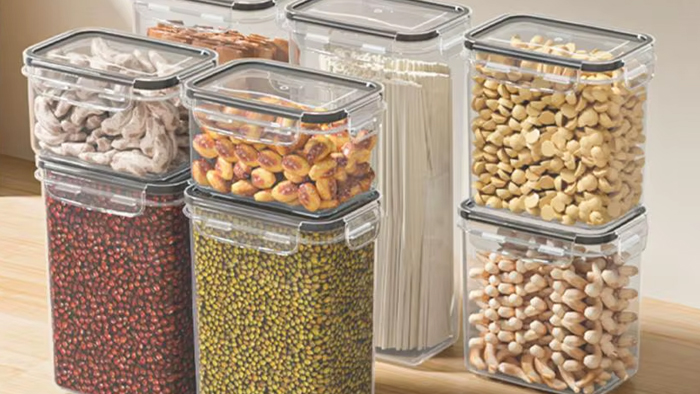 Preserving freshness and taste
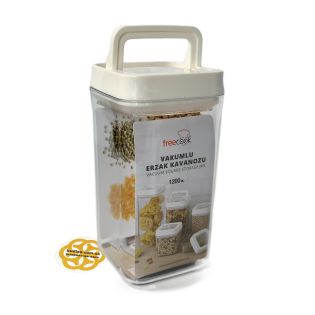
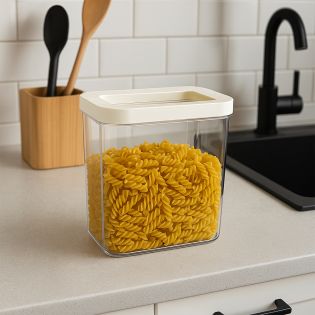
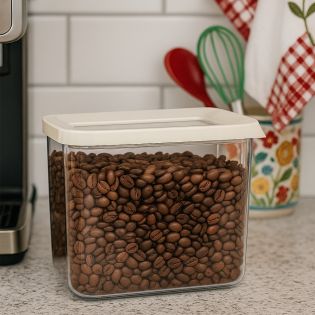
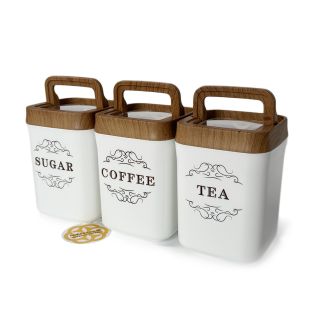
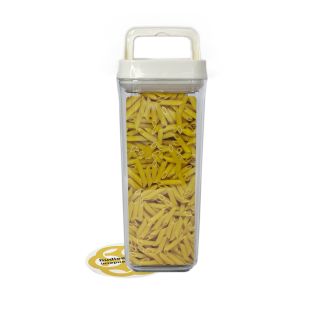
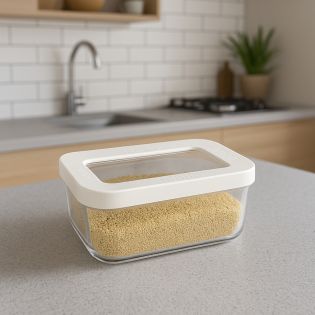
The hermetic lid does not allow air and moisture to penetrate, which allows products to remain fresh for a long time. This is especially important for bulk products (cereals, coffee, tea), as well as for leftovers from prepared meals.- Organization of space
Containers help organize space in the refrigerator, cabinets, and kitchen shelves. Transparent walls make it easy to identify the contents, which reduces the chance of forgetting about products that may spoil. - Mobility and convenience
Food containers are convenient for transporting lunches to school, work or on trips. Thanks to the compact design and tight closure, the food will not spill, will not crumble and will retain its structure. - Saving and reducing food waste
Containers allow you to store leftovers, divide large amounts of food into portions, and plan meals for several days in advance. This is not only convenient, but also helps to avoid excessive food waste. - Versatility
Many modern models can be frozen, microwaved or dishwasher safe, making everyday use much easier. - Caring for the environment
Many people today are abandoning single-use plastic in favor of reusable containers. This is not only convenient, but also environmentally friendly. By using food containers, you reduce the amount of plastic bags, wrappers, and food waste, making your contribution to preserving the environment.
Types of food containers
- Plastic – light, strong, inexpensive. Suitable for everyday use, in particular for dry products, vegetables, fruits. It is important to choose models made of food-grade polypropylene (BPA free).
- Glass – environmentally friendly, resistant to temperature changes, do not absorb odors. Ideal for storing food in the refrigerator and heating in the oven or microwave.
- Metal (stainless steel) – durable, stylish, often used for lunch boxes. Not suitable for heating in a microwave, but they retain temperature well.
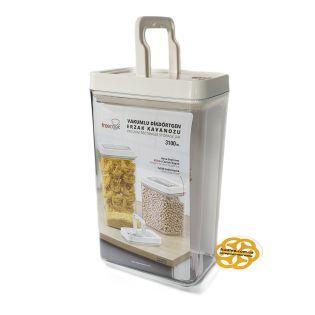
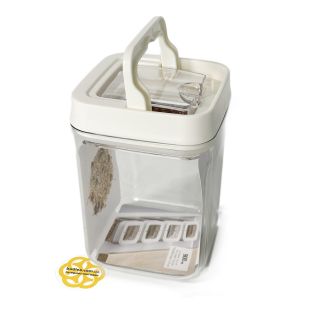
- Vacuum – equipped with valves for pumping out air. They maximally extend the shelf life of products by reducing contact with oxygen.
- Folding silicone - convenient for saving space. When folded, they take up minimal space, ideal for traveling or a small kitchen.
How to choose the right container?
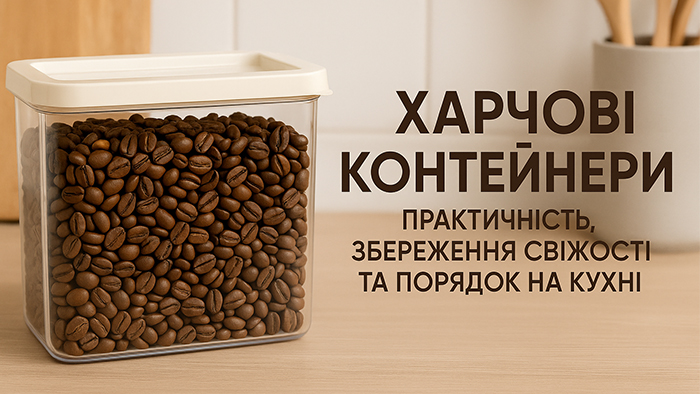 When choosing a container, please pay attention to the following aspects:
- Material - safety, suitability for your needs (eg heating or freezing);
- Volume – for bulk products, large containers are better, for sauces or snacks – smaller ones;
- Lid type – tightness, presence of clamps or vacuum valve;
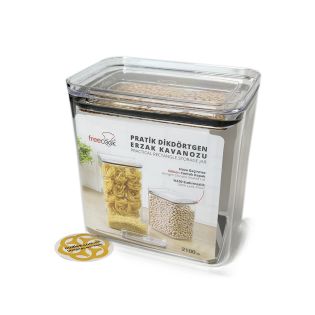
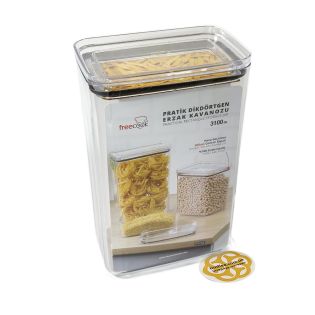
- Shape – Rectangular and square shapes make better use of space than round shapes;
- Transparency – view content without opening it.
Food containers are more than just storage containers. They are a tool for an organized, healthy, and eco-friendly lifestyle. Whether you are cooking for the week ahead, bringing your lunch to work, or just want to keep your kitchen organized, containers are always useful.
Additional products
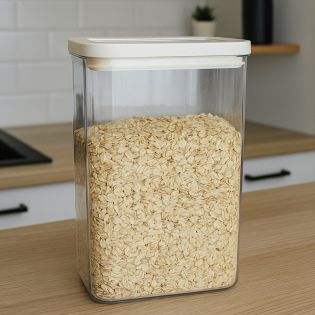


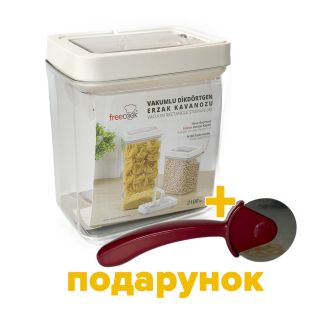


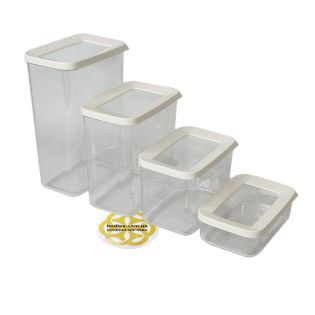 Set of food containers 4 pcs HOBI BOX, plastic, transparent with white lid