

How to choose gutters
Gutters are an important component of building infrastructure that drains melt and rainwater from buildings and structures, preventing them from flooding. The correct choice of drainage will ensure the efficient functioning of the drainage system and protect buildings from the negative effects of water.
In this article we will look at the main types of gutters, their characteristics, advantages and disadvantages, and also give advice on choosing the best option. Before moving on to considering the types of gutters, it is important to consider the main factors influencing their choice. Such factors include the location of the building, the load, the type of soil, as well as climate characteristics and aesthetic requirements.
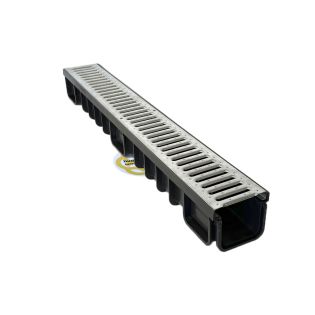
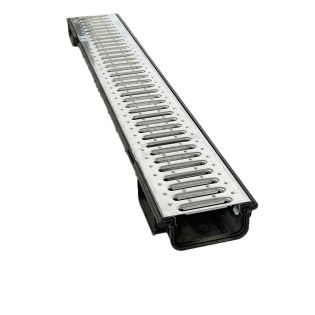
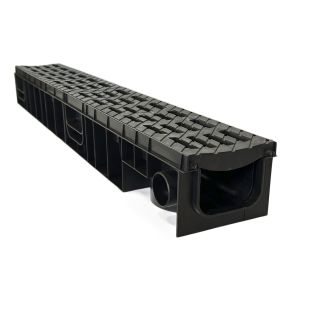
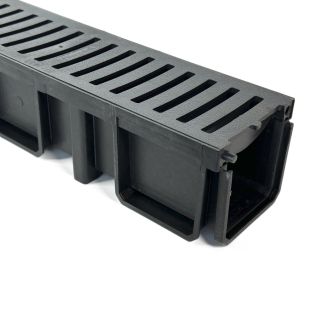
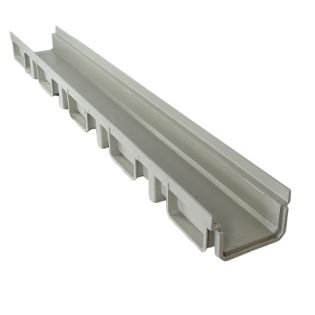
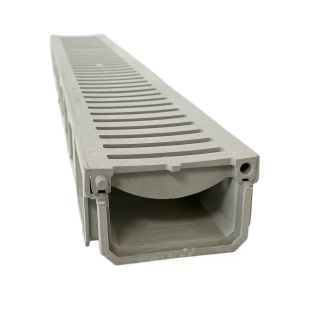
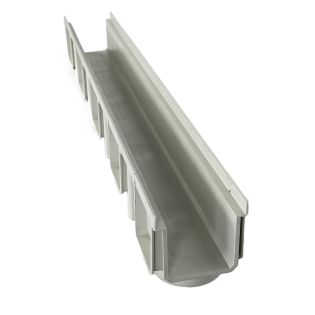
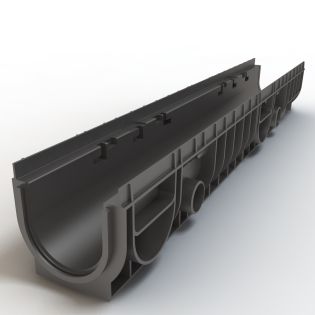
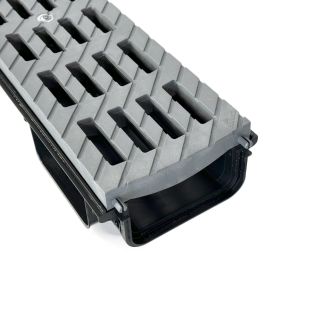
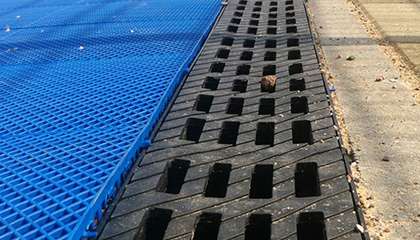 The main types of gutters include plastic, concrete and polymer concrete.
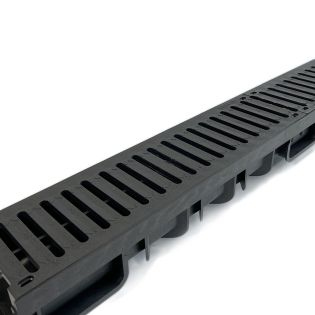
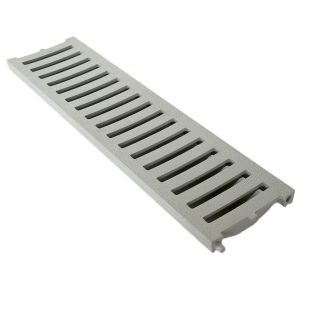
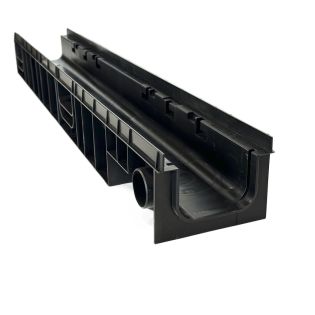
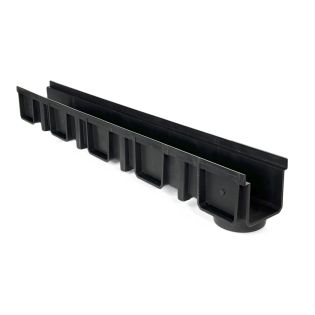
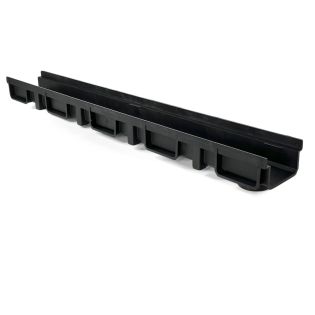
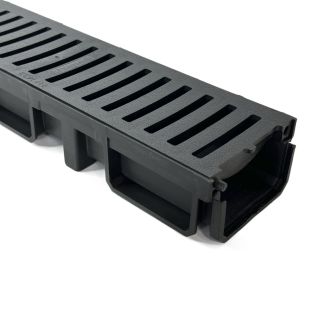
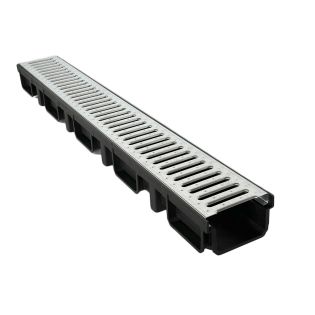
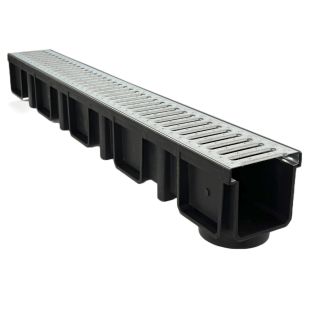
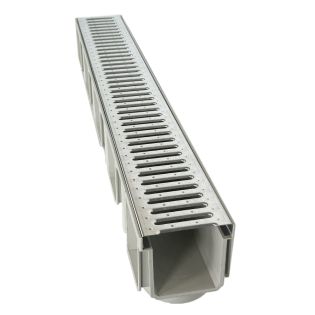
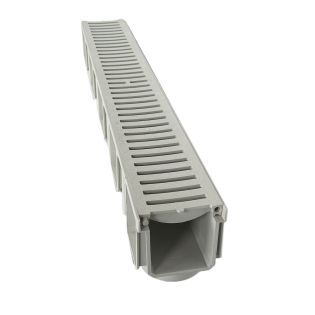
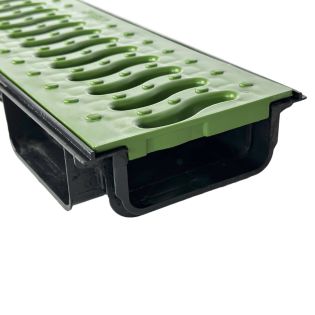
- Plastic trays are made of polypropylene and are lightweight, easy to install and highly resistant to contamination. They are suitable for areas with light traffic, such as country houses.
- Concrete trays are characterized by high strength and durability and are used in both private and industrial construction. They are ideal for high traffic areas and humid climates.
- Polymer concrete trays combine the advantages of concrete and plastic, which makes them universal for various operating conditions.
When choosing a drain, you should take into account its load, material of manufacture, dimensions and cost. To accurately calculate throughput and select the best option, it is better to contact specialists. Thus, choosing a drain is an important task that requires careful analysis of various factors.
When choosing a tray, you should be guided not only by its characteristics, but also by the characteristics of a particular building and local operating conditions.