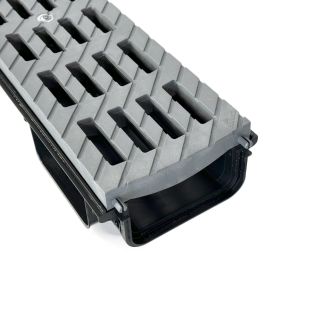


Drainage trays: tips for choosing
The construction market now offers a huge number of drainage trays for every taste and color. And there is a difficult choice, which channels to choose for yourself, so that you don’t regret your choice later and so that the system serves for many years.
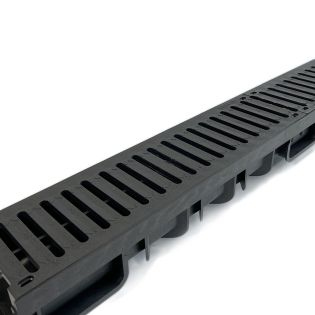
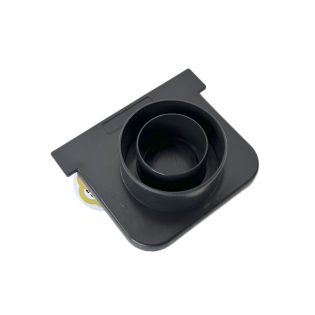
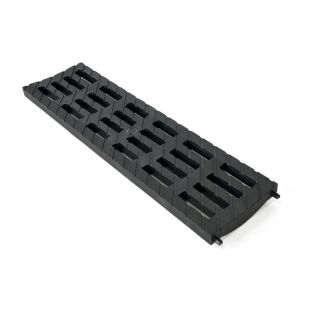
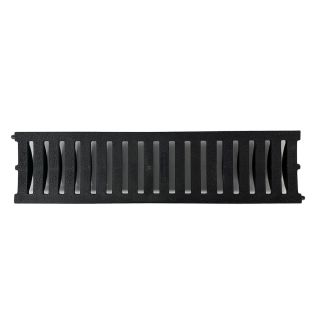
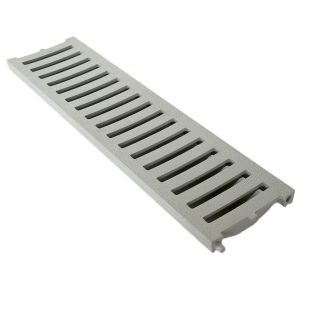
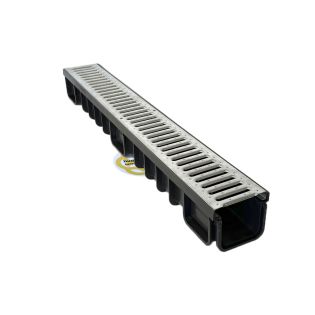
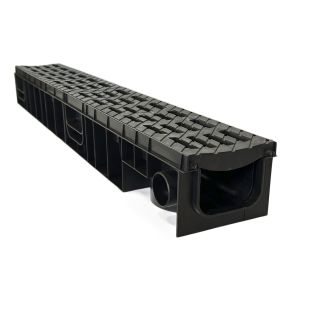
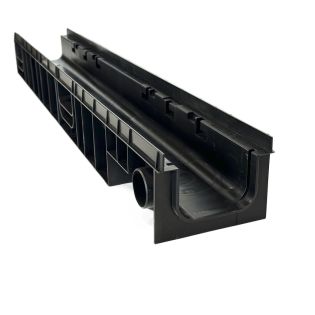
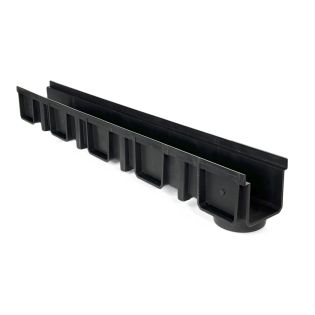
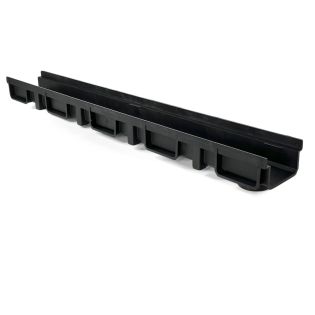
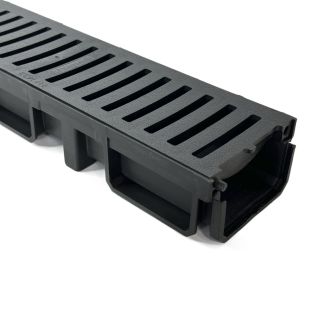
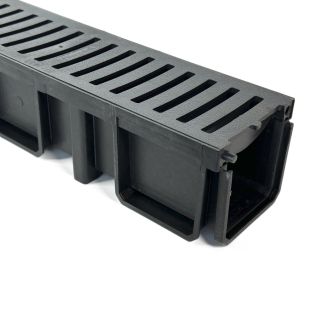
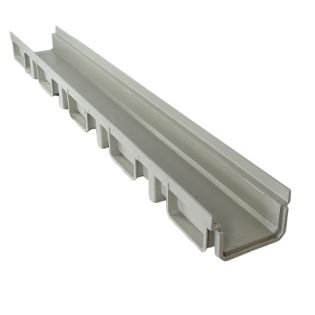
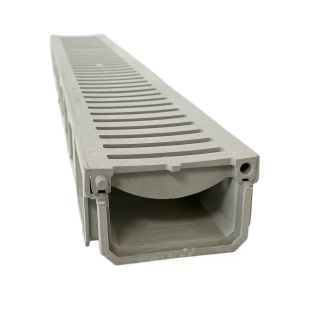
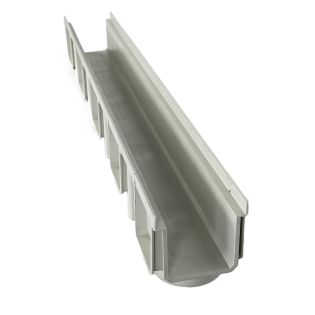
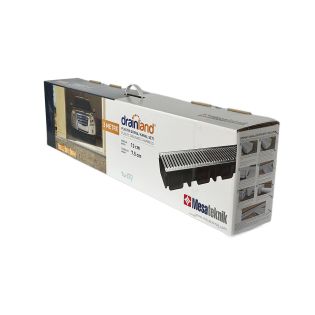
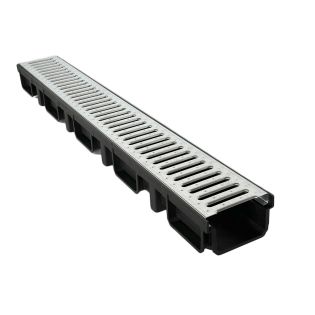
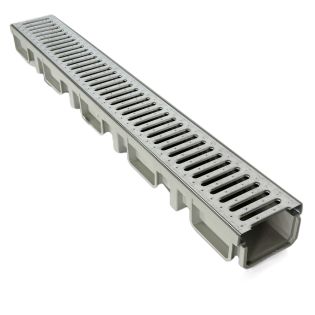
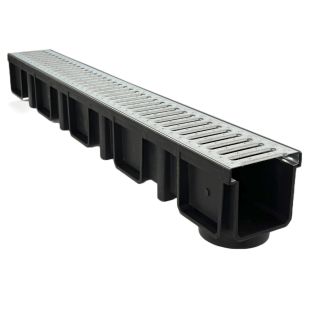
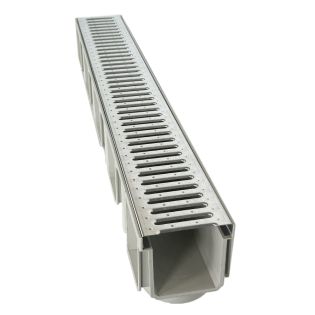
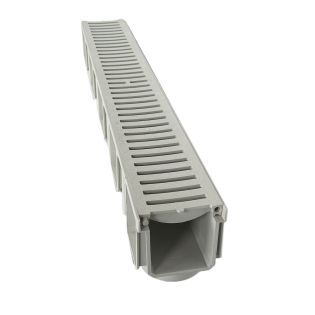
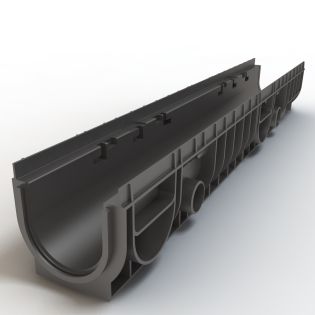
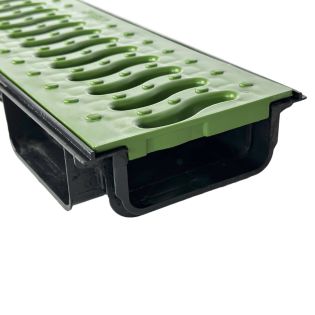
Drainage trays are designed to drain rain and melt water from the site in order to avoid the destructive effects of moisture. They are rectangular-shaped channels that are interconnected, connected to a drainage pipe and a grill is put on top. Drainage trays are selected at the stage of constructing a foundation or already constructing a blind area near a house or other residential/non-residential building.
Drainage systems are divided into several types :
- For surface water collection - rain and melt water
- To collect water from the depths - drainage of groundwater from the site
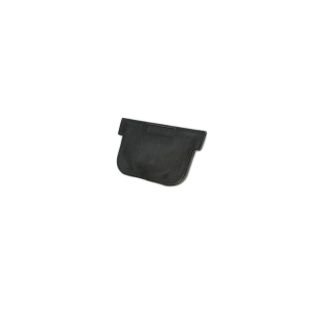
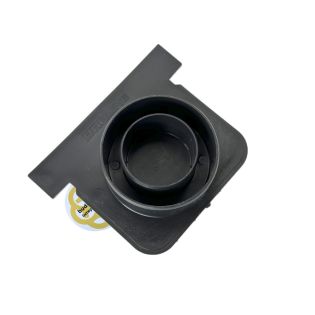
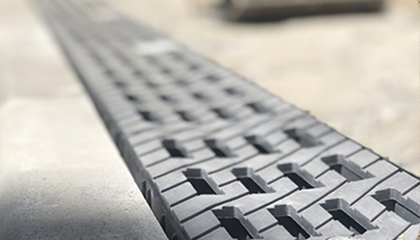 The drainage system, in addition to the trays themselves, also includes sand traps and storm water inlets.
Trays are:
- plastic
- concrete
- metal
- composite
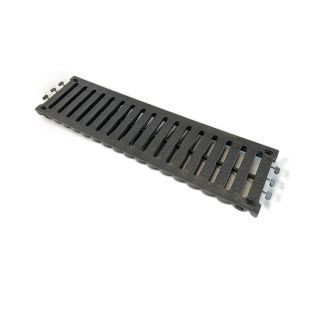
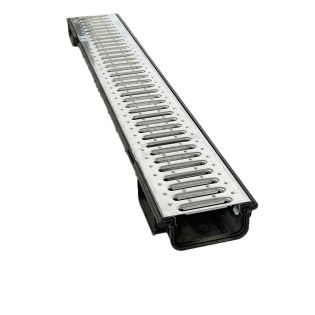
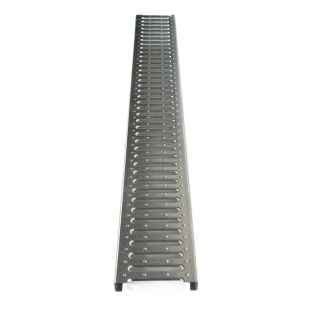
They come with gratings according to their intended purpose: plastic, galvanized steel or cast iron.
We determine the permissible load on the future drainage system . Based on the purpose and installation location, we determine what class of load will be on the tray.
Depending on the level of permissible load, trays are divided into the following groups:
A15 - for local areas in the private sector, for garden paths, sports grounds, where the permissible load level does not exceed 1.5 tons per 1 m2 ;
B125 installation along roads along which passenger cars travel, load up to 12.5 tons;
C250 operation in a car service center and car wash, truck parking, permissible load up to 25 tons;
There are also loads of classes D400, E600 and F900 - but this is already talking about industrial facilities.
If this is an area near a house, garage, utility room, choose a tray with a load of A15. These trays are available with a durable polypropylene or steel grid. You shouldn’t overpay and buy concrete or metal trays.
Bandwidth.
The throughput of the tray is determined by the parameters of the gutter itself: height and hydraulic cross-section.
!!! The larger the tray size, the greater the throughput. Usually the calculation is carried out based on the average monthly precipitation increased by 25%.
The amount of precipitation on the working area is calculated using the following formula:
KO = K*IO*PS
where: KO – amount of precipitation; K – coefficient characterizing the surface features of the drainage basin; IO—precipitation intensity; PS - estimated drainage area.
|
Surface type |
Coefficient |
|
Soil, grass |
0.05-0.36 |
|
Gravel |
0.15-0.3 |
|
Crushed stone |
0.25-0.6 |
|
Floor blocks |
0.45 |
|
Paving stones |
0.6 |
|
Paving stones with cement connection |
0.8 |
|
Asphalt, concrete |
0.9 |
For example, it has paving stones with a cement connection, K=0.8
Drain area equal to 200 sq.m
Precipitation intensity (for Kyiv Q=80l/sec per hectare)
KO=0.8(80200)/10,000=1.28 l/sec
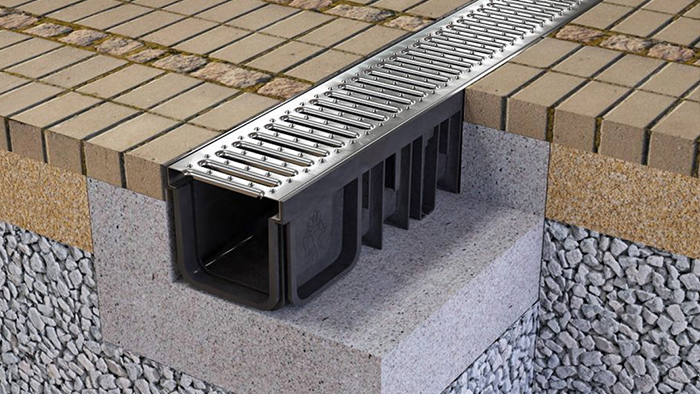 3. This is the correct installation of the tray. This is also a very important rule, because if the installation is incorrect, the client begins to complain about the manufacturer or product. In fact, there are recommendations on how to properly install trays and what not to do so as not to complicate your work.
Advantages of plastic trays:
- excellent throughput
- UV resistance
- temperature stability: application temperature from -40….+50 ºС
- highly durable due to the excellent design of the plastic grid or 1.5 mm thick steel
- long service life
- environmentally friendly
When choosing drainage trays, take into account the above facts, and this will help remove excess moisture from the site and protect your beautiful foundation from destruction and mold, and the site from flooding.