

Concreting in winter
Winter concreting is a complex and responsible process, because, due to a decrease in ambient temperature, all chemically unrelated water in concrete freezes, increasing its volume by 9%. In turn, this leads to a violation of the internal structure of concrete and the inevitable destruction of the monolith.
We offer a complex of materials that allows you to create high-quality and durable concrete in winter. Such materials are tarpaulin mats, PVC wire and antifreeze additive in NITCAL concrete.
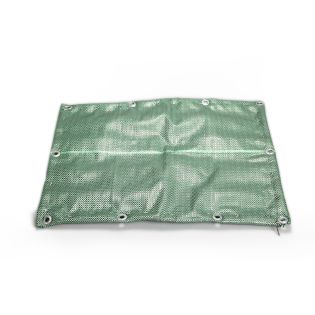
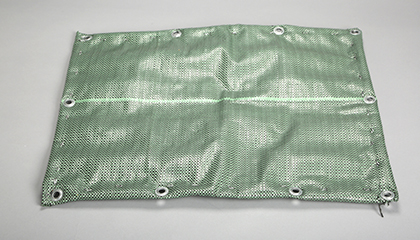 Tarpaulin mats are an excellent protection for concrete structures, construction sites and objects under construction. Thanks to three layers – tarpaulin, foamed polyethylene and polyethylene film, they reliably insulate the concrete screed and prevent its destruction under the influence of low temperatures, precipitation and excessive humidity.
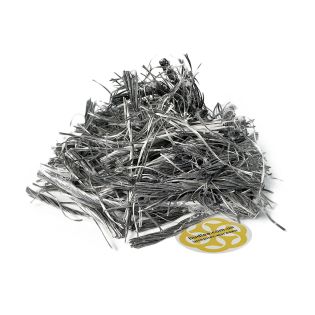
An indispensable material for the implementation of winter concreting is the PNSV wire, used for temporary or regular heating of a concrete structure. Due to the external protective layer, the PNSV wire is reliably protected from the aggressive effects of concrete components. It is laid directly at the base of the concrete structure and ensures the maintenance of a stable temperature of the monolith during the entire period of concrete maturation. Which greatly simplifies work in winter and increases the frost resistance of concrete.
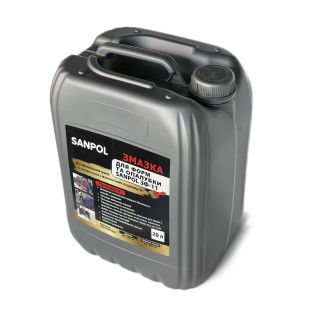
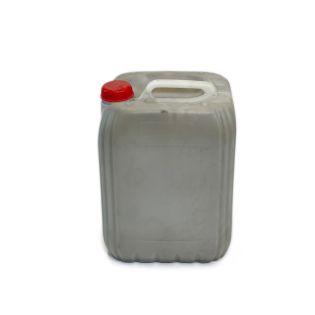
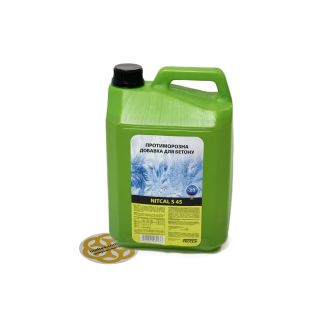
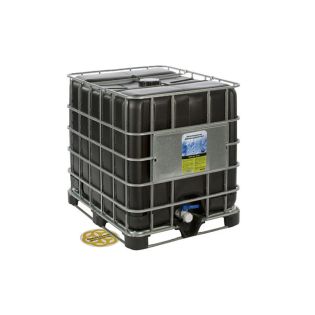
At the same time, the success of winter concreting largely depends on the quality and structure of the concrete mix itself. In order to improve the plasticity and density of concrete, to improve the quality of setting and accelerate the solidification process, our experts recommend using an antifreeze additive in NITCAL concrete. It will significantly increase the strength characteristics of concrete and increase its resistance to mechanical loads.
Using tarpaulin mats, PVC wire and antifreeze additive in NITCAL concrete in the complex, you are guaranteed to be able to carry out concreting in winter.