

How to seal a utility inlet
There are two important points for sealing the input of engineering communications:
 selection of high-quality materials
- proper execution of works
The following materials are needed for sealing works:
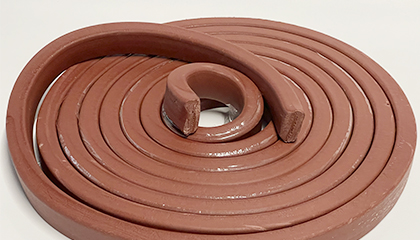
- bentonite cord or acrylic swelling cord
- repair mix for vertical surfaces
- polymer cement penetrating waterproofing
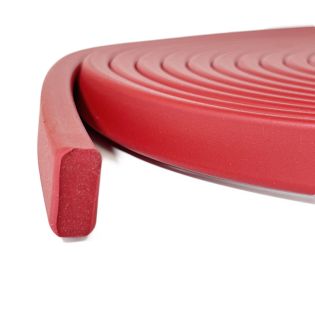
What are the advantages of bentonite cord Hydrostop SANPOL?
Bentonite cord is resistant to hydrostatic effects up to 7 atmospheres. It is plastic and very easy to use (no special tools are required to work with the cord). The material can be applied at temperatures from -30 ° C to 50 ° C, including on wet surfaces. Despite these advantages, the cost of bentonite cord is quite low.
You can buy a cord in rolls of 5 meters. It is produced with rectangular sections in sizes: 5 x 10 mm, 10 x 20 mm, 15 x 25 mm, as well as round – A22 mm.
 What are the advantages of Hydroflex acrylic swelling cord?
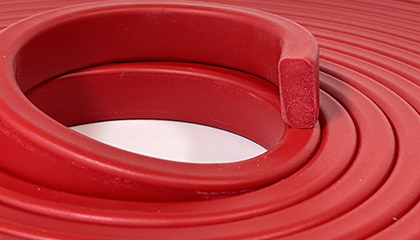
Hydroflex acrylic cord consists of acrylic polymer, chloroprene rubber and additives. Upon contact with water, the cord swells, forming a reliable protective layer and providing waterproofing and sealing of working seams. When swollen, the acrylic cord does not damage the concrete. Another important advantage of the material is its resistance to salt water (due to which the cord can be used to seal areas that are exposed to seawater) and various chemicals.
The cord is supplied in rolls of 10 m with a rectangular cross section of 10 x 20 mm.
Step-by-step instructions for sealing the input of engineering communications:
- Make a hole with a diameter 20% larger than the pipe.
- Wrap the pipe with bentonite or acrylic cord at least 2 times.
- Install the pipe in the hole.
- Moisten the concrete surface with water.
- Seal the hole with a repair mixture on both sides.
- After 12 hours, apply penetrating waterproofing in 2 layers perpendicular to one another.
Additional products
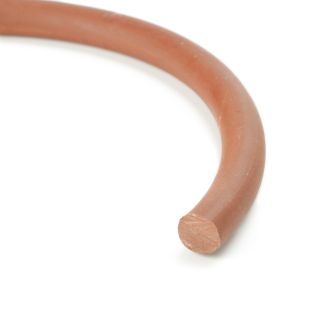


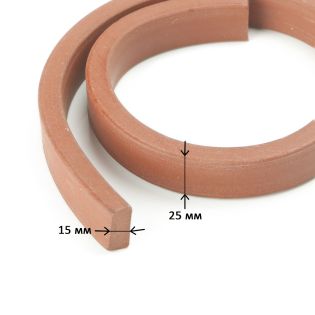

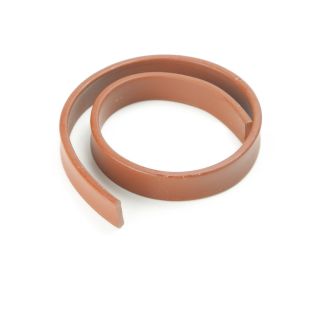 Bentonite cord 5x20 mm for waterproofing and sealing the entry of communications, 5 r.m.
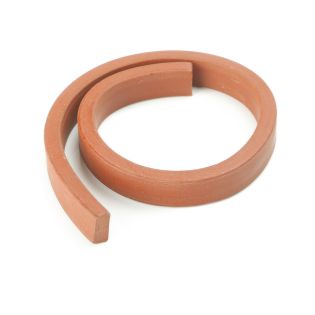
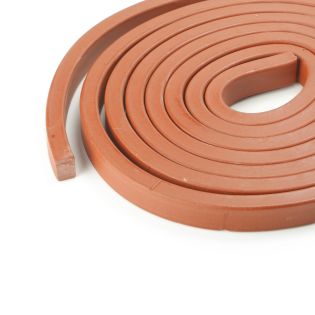 Bentonite cord 20x30 mm for waterproofing and sealing working joints, 5 r.m.