

How to choose a repair mix for concrete
Concrete, like any other material, is susceptible to destruction under the influence of aggressive environmental factors and operating conditions. Despite the correct ratio of components in the manufacture of the mixture and compliance with construction technologies, over time concrete structures become prone to cracks, delamination and react more strongly to changes in air temperature, as well as freezing and thawing cycles. In this regard, special repair mixes are used to restore and maintain the condition of concrete. We will tell you about the types and applications of these compounds in more detail.
Types of repair mixturesThere are many types of repair mixes for concrete, each of which has its own characteristics and is used depending on the operating conditions and the nature of damage to concrete structures.
One of the most popular types of repair mixtures are cement-sand mixtures, which consist of cement, sand, water and various additives. These mixtures are used to repair surface defects such as chips and scratches, as well as to fill small cracks and depressions.
Repair mixes are produced of various types to perform different tasks in construction. There are several main categories of repair mixes, which include:
- mixtures for filling voids, for example after removing the formwork and removing the tie screws
- repair of structures
- correction of minor defects
- mixtures for surface preparation for finishing.
Thus, it is worth choosing a repair mixture based on the type of repair for which you plan to buy a repair compound.
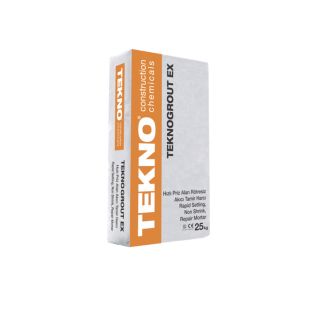
An example of a good concrete repair mixTeknogrout EX is a high–quality mixture for soil and injection fixation, consisting of cement, sand and modifiers.
Teknogrout EX is a high–quality mixture for sealing and repairing concrete structures, containing cement, polymers and additional components. It is used to fill cracks and seams, as well as to create a protective layer on concrete surfaces exposed to aggressive environments. Teknogrout EX can be used in industry, construction, hydraulic engineering and road works, as well as in residential construction for the repair of concrete foundations and walls. It allows you to increase the strength and resistance of concrete structures to aggressive environments and increase the duration of their operation.
Additional products
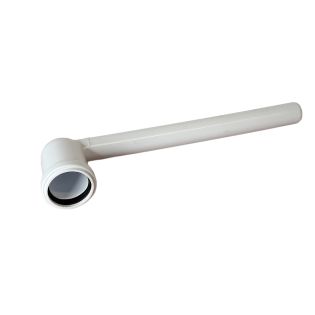 Corner pipe Ø32/50-339 mm for tray, white