

Additives to concrete
New technologies in monolithic construction make it possible to change and improve the properties of concrete depending on the requirements imposed on the objects.
Monolithic construction is developing, and every day concrete is acquiring more and more specific characteristics: the rate of strength gain is faster or slower, depending on the need, resistance to low temperatures, water resistance, various colors and shades, have the properties of protecting the elements of the steel structure from corrosion, resistance to aggressive environments and durability, without losing their physical properties. Also, modern concretes are becoming more plastic and denser, or vice versa, they are becoming more airy and lightweight.
The key to everything is the additives that are introduced into the concrete during its production or into the ready-made concrete mixture. As the experience of foreign, as well as developed domestic construction companies shows, the use of additives significantly increases the profitability of concrete mixes, because when some additives are added, not only the physical characteristics of concrete improve, but also cement consumption decreases and as a result, in terms of 1 m3 of concrete, with additives is cheaper than without additives.
All additives can be divided into several groups, these are: plasticizers, superplasticizers, modifiers, antifreeze additives, accelerators, retarders, hydrophobizers, pegmentators and foaming agents.
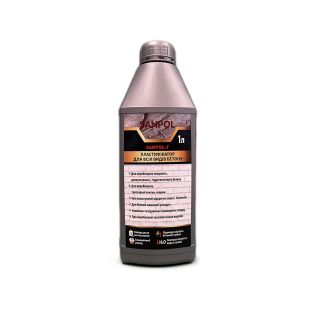
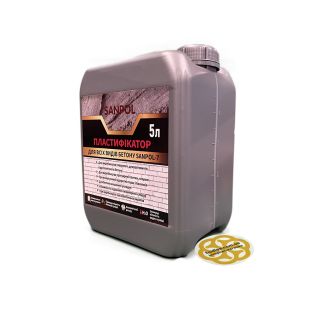
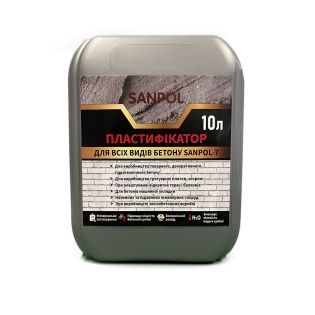
Plasticizers make it possible to accelerate the strength gain, increase the mobility of the mixture by reducing friction between cement grains, plasticizers reduce the ratio of water to cement, as a result of which it is possible to obtain more durable concrete, or reduce cement consumption.
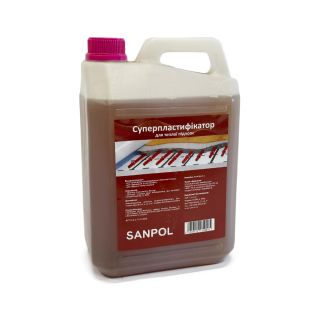
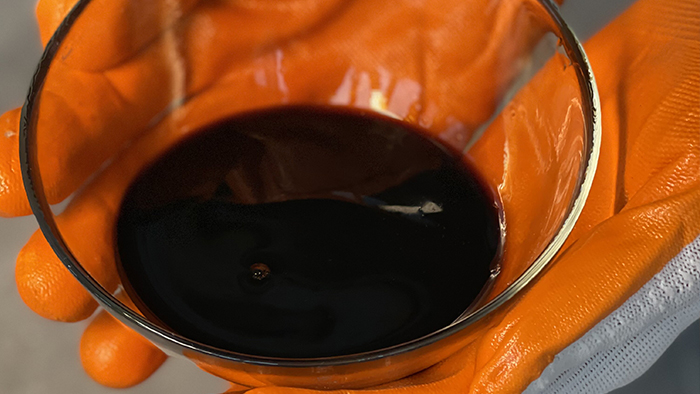 Superplasticizers are additives that increase the water resistance, frost resistance and corrosion resistance of concrete, as well as increase mobility without reducing strength and durability. Like plasticizers, superplasticizers reduce water consumption, increasing strength.
 - Modifiers are, in fact, a system of complex additives, which consists of a mixture of several components, working in a so—called "symbiosis", they reduce the negative impact of each other, increasing their overall effectiveness.
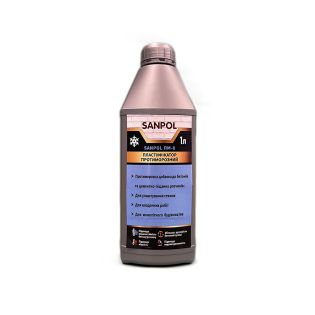
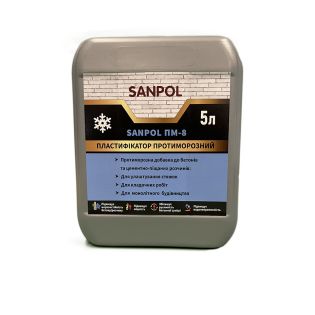
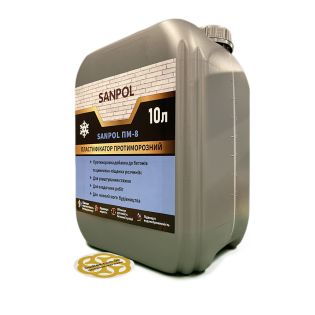
- Antifreeze additives can be divided according to the method of action into two types. Those that lower the freezing point of water in concrete, and those that accelerate the hardening of concrete, they are also accelerators. In both cases, both additives undoubtedly improve the quality of the concrete mix: they increase strength, water resistance and frost resistance.
- Retarders are used when it is necessary to reduce the number of seams in the structure, during long transportation and when laying in heat.
- Pegmentators are used when a screed, concrete or concrete product needs to be given the appropriate color. These are dry coloring powders that are introduced into the mixture in a certain percentage of the amount of cement.
- Foaming agents are widely used in the production of foam concrete of various densities. For the production of foam concrete with the use of foaming agents, a foam generator is needed.
With the use of additives from simple concrete, it is possible to obtain exactly the product that will meet all the requirements presented to it.
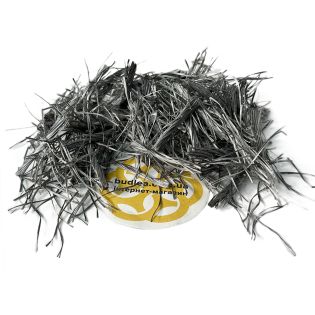
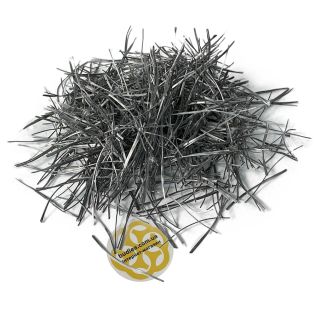
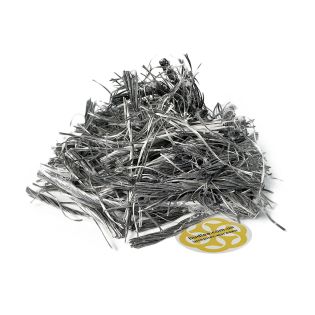
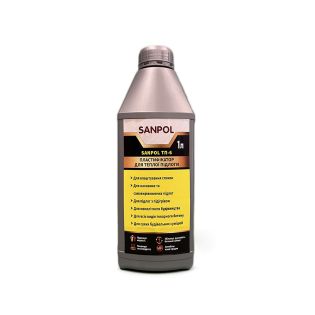
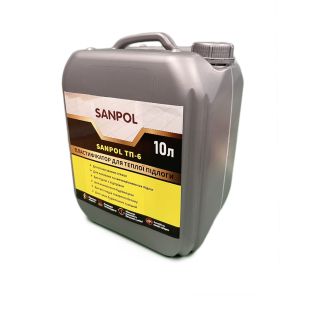
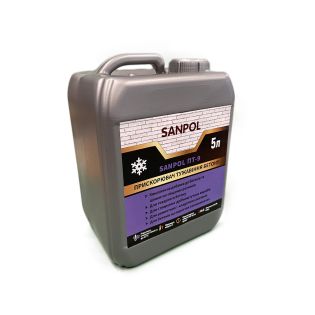
In our assortment it has the following additives in concrete: antifreeze additives for winter concreting, additives in cement screeds of warm water floor, additives to improve the physical properties of concrete, additives in the form of liquids and fibers.