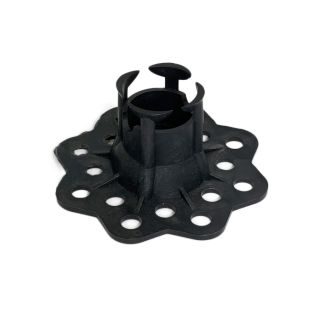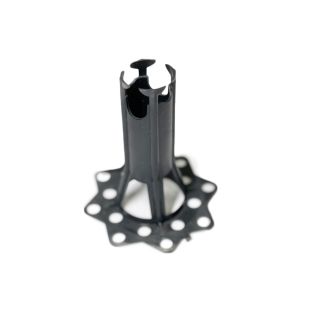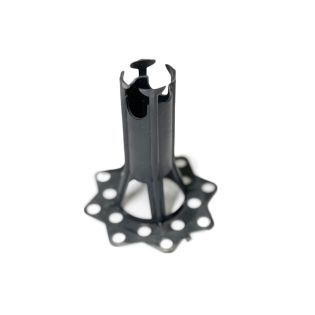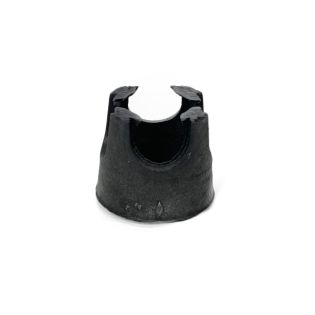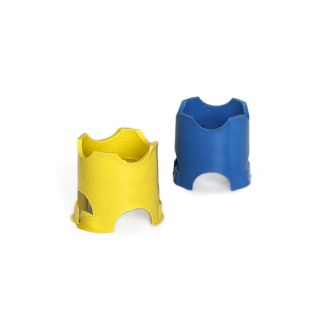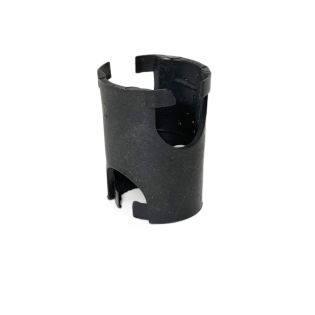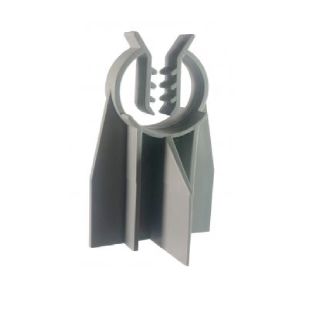


Clamps for horizontal reinforcement
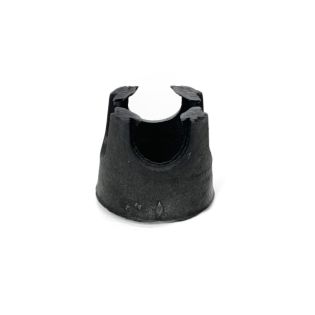
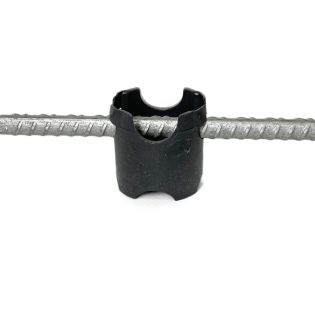
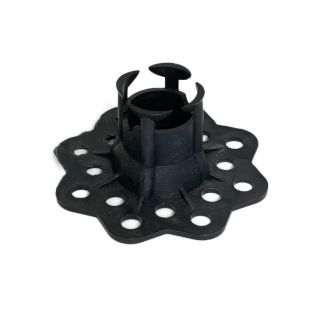
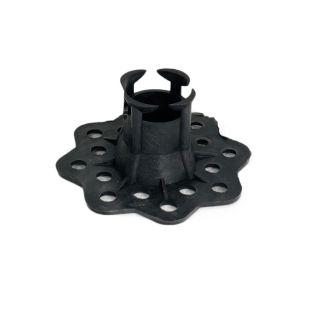
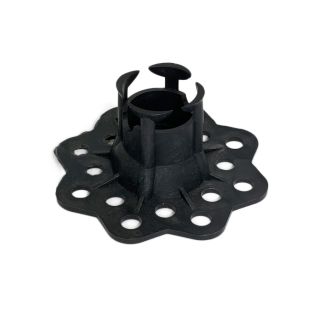
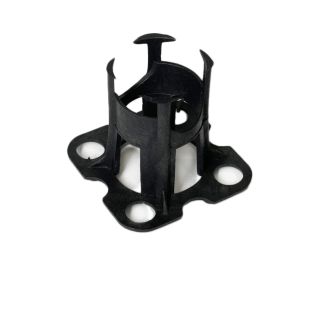
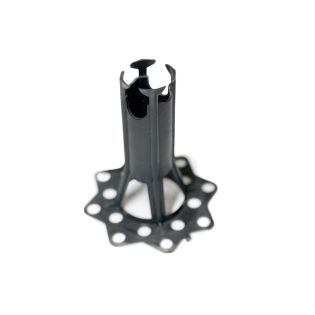
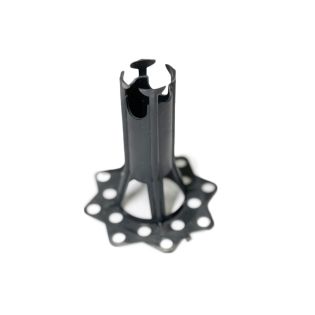
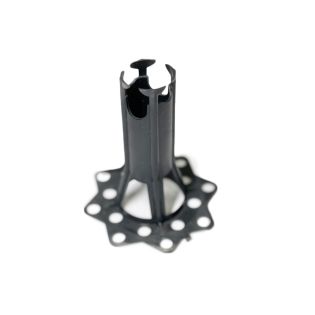
The "rack" retainer and the "flooring" retainers are used for the horizontal arrangement of fittings in the construction of foundations, industrial floors, floor slabs.
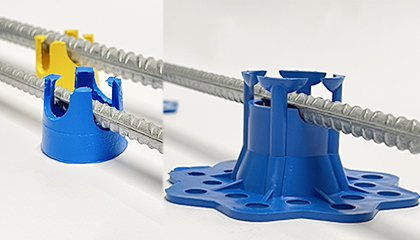 What is the difference between a rack retainer and a flooring retainer?
The difference is that the "rack" retainers are used on a rigid basis, and the "flooring" retainers they are used in the construction of concrete fill floors on crushed stone and non–solid or loose surfaces - sand, polystyrene, cotton wool, and this should be taken into account when carrying out concreting work. For installation on membranes and films, due to the increased area of the stand, the "flooring" retainer will not damage the surface.
One of the main tasks that are carried by the clamps for the reinforcement "flooring" and ensuring maximum durability of the metal frame. When installing a monolithic building element, such as a foundation, floor slab, column, etc., the formwork is often filled with a large flow of mortar. Despite the fixation of the reinforcement frame made by the knitting wire, the concrete mixture can disrupt the reinforcement structure, due to its inherent mass and density.
Rebar latches flooring and rack latches securely fix the rebar frame in a given position, allowing it to be installed at the desired height from 15 to 100 mm from the base. Usually, stands for fittings are placed on the site in a staggered order. Depending on the dimensions of the metal frame, a certain number of clamps per square meter is selected. Often builders use from 4 to 6 pieces per square meter. If pouring concrete is planned on a waterproofing layer or on a loose base, be it sand, gravel or crushed stone, the "flooring" fixators will be an ideal option and will be recommended for use, since they do not allow the supporting body of the main product to penetrate the waterproofing layer, preventing unwanted immersion of the fixator.