

What concrete additives exist?
Concrete is a building material that is used everywhere due to its strength and versatility. However, in order to give concrete certain properties and improve its characteristics, various additives can be introduced into it. In this article we will look at the variety of additives in concrete, their features and advantages.
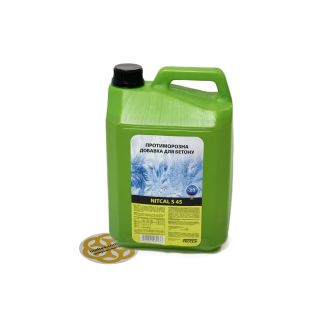
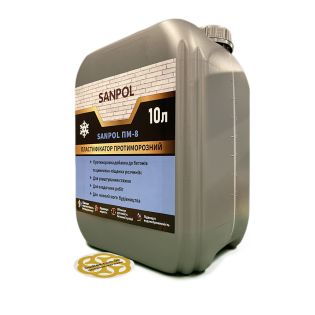
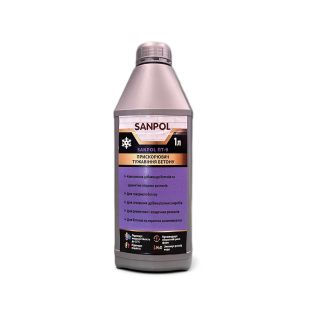
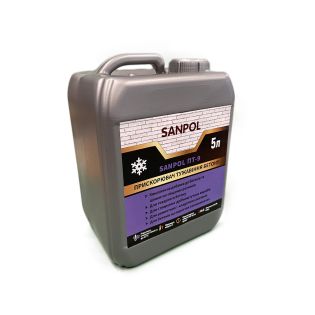
1.  Antifreeze additives
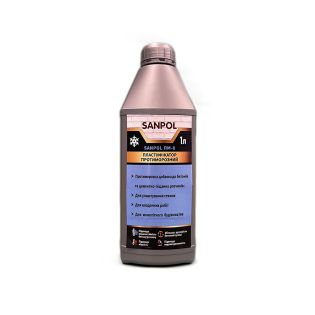
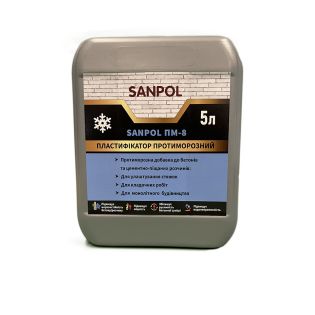
Antifreeze additives are used to protect concrete from exposure to low temperatures and freezing. They reduce the freezing point of water in concrete, preventing the formation of ice and crystals in the pores of concrete. This makes concrete more resistant to frost and thawing, which is especially important in cold climates.
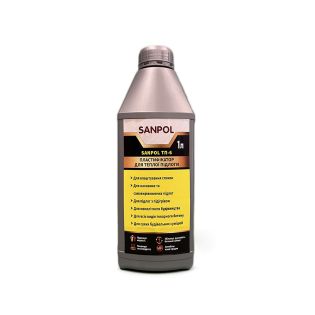
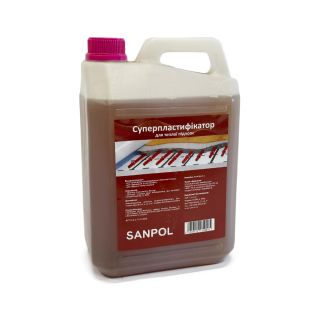
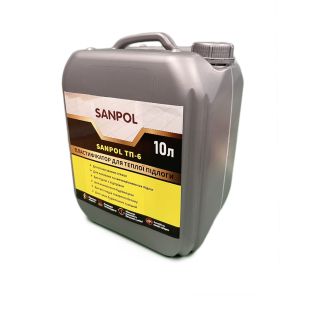
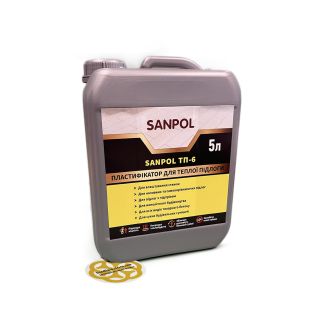
2. Plasticizers
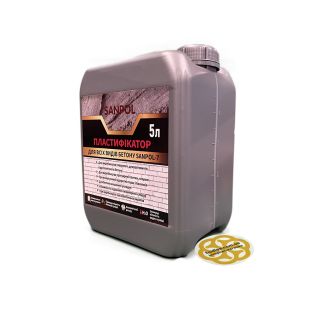
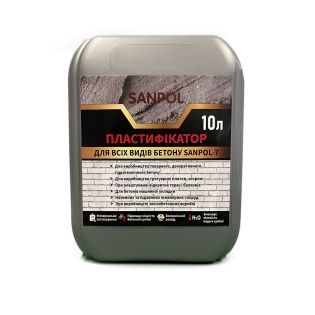
Plasticizers improve the fluidity and workability of the concrete mix, making it more mobile without increasing water resistance. They make it easier to form concrete structures and reduce the water ratio, which improves its strength.
3. Curing accelerators
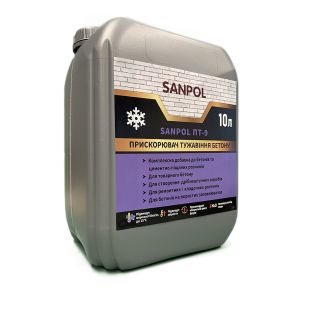
Curing accelerators reduce the time required for concrete hardening. This is useful in construction projects where it is necessary to quickly achieve a certain strength or continue work at the next stage. Accelerators can also be used in cold conditions to speed up the curing process.
4. Curing retarders
Curing retarders, on the contrary, increase the time required for concrete hardening. This can be useful in projects where a longer time is required to form a concrete structure or when delays in the construction process need to be taken into account.
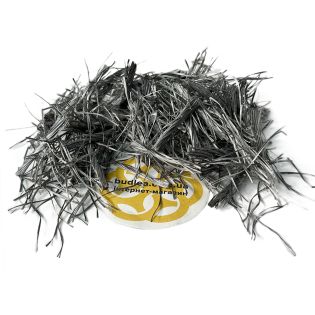
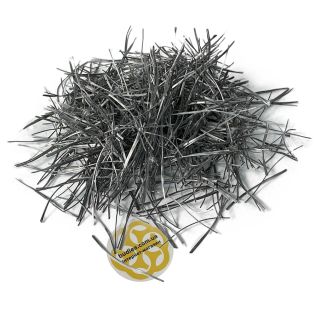
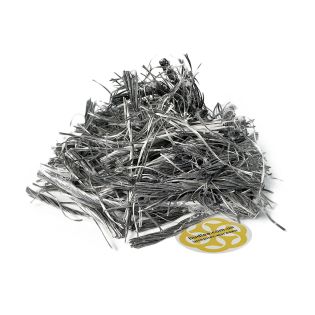
 5. Fiber additives-fiber
Fiber additives, such as fiberglass or polypropylene, improve the mechanical properties of concrete, making it more durable and resistant to cracks. They can be especially useful in concrete structures subject to dynamic loads.
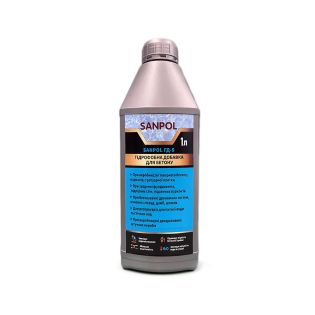
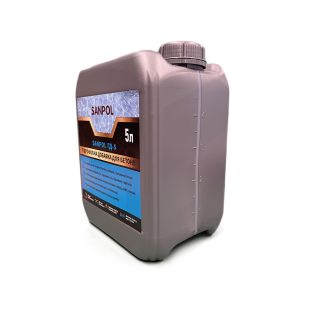
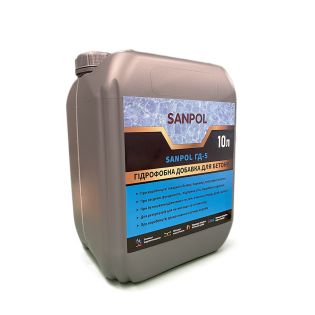
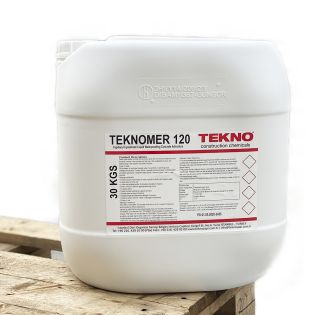
6. Waterproofing additives
Waterproofing additives give the concrete increased water resistance, which makes it ideal for the construction of underground structures or objects exposed to water.
7. Color pigments
Colored pigments are added to the concrete to give it a decorative appearance. This allows you to create concrete surfaces of various shades and colors, which is important in the construction of landscape design elements and architectural decorations.
8. Antibacterial additives
Antibacterial additives are used in concrete to prevent the growth of bacteria and mold. They are used in swimming pools, sanitary facilities and other places where humidity and heat can contribute to the development of microorganisms.
The variety of additives in concrete makes it possible to adapt this material to different conditions and requirements.