

Concrete floor repair
Repair, restoration, reconstruction and renewal of the concrete floor.Concrete floors are the most common type of coating, both on industrial and civil facilities.
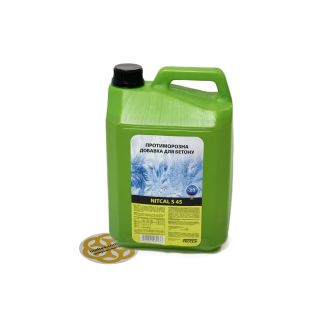
If you use concrete with special additives (antifreeze additives, polymer fiber) or cover the finished polymer floor with hardeners (toppings, impregnations, etc.), then such a floor can last for decades. However, all this will work only if the concrete floor is properly designed, taking into account the location of the required number of expansion joints, and all technologies are followed when pouring it. Unfortunately, so far we have few self-leveling concrete floors made strictly according to technology, so during operation, strong mechanical or chemical loads, the concrete floor can collapse. Sometimes the repair of a self-leveling concrete floor takes longer than pouring a new one. On the other hand, the restoration of the concrete floor can take place without stopping production.
To repair the concrete floor, it is necessary to identify all the defects of the coating: cracks, chips, potholes, destruction of the seam edge, peeling and peeling of the surface layer, etc. Each type of destruction is repaired in a separate way, there is no single method for solving all problems.
Let's look at the most common problems and ways to solve them:Repair of the concrete edge in the seams
- The destruction of concrete edges in the seams occurs mainly due to the high loads of passing vehicles (loaders, trucks, heavy machinery, etc.), as well as in the process of floor shrinkage, shifts and deformations.
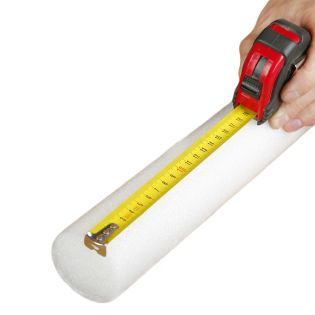
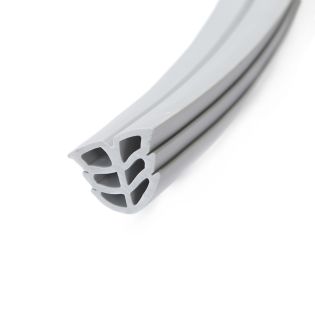
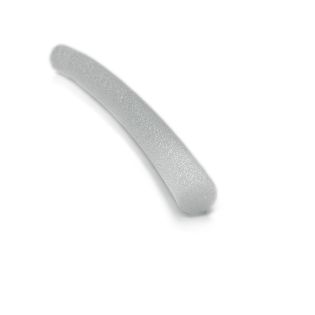
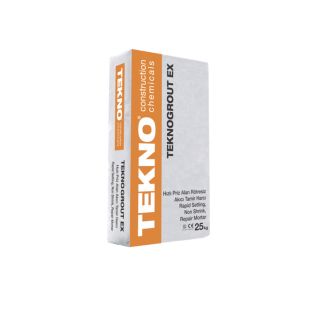
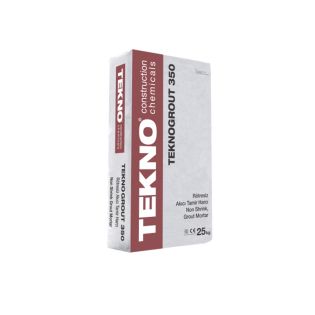
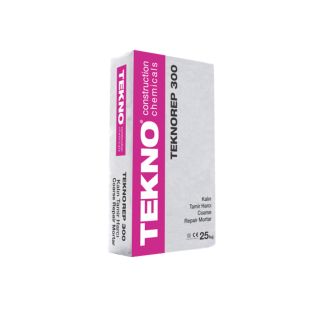
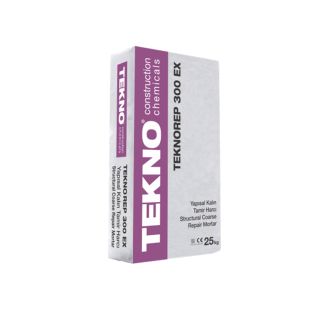
It is necessary to repair the edge of the seams with special high-strength non-shrinkable cement mixtures. Such materials have good adhesion to old concrete, and also withstand high loads. Next, the seam itself must be filled with a bundle of foamed polyethylene and a one-component polyurethane sealant applied.
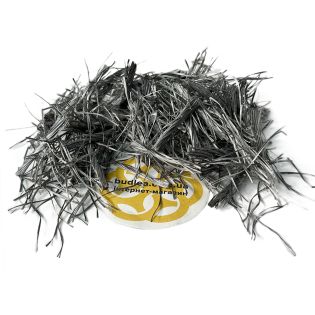
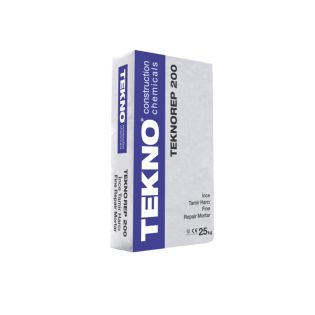
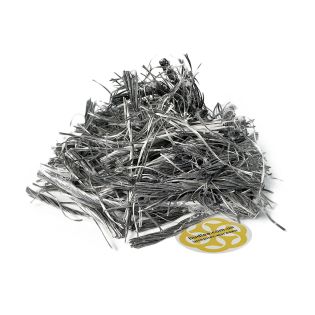
- Repair of potholes, chips, cracks in concrete floorsPotholes, chips and cracks are repaired with similar materials, as in the repair of a concrete edge – non-shrinkable, high-strength cement building mixes containing polymer fiber and special additives.
- Peeling and peeling of the front layer of the concrete floorIn case of violation of the technology of laying the reinforced top layer, during operation, peeling and peeling of the top layer often appears.
If the area of delamination does not exceed 40%, then the polymer floor can be mounted with the same repair compositions based on cement or epoxy resin. If the defects of the upper layer reach 50 percent or more, it is advisable to completely replace it.
Restoration of a concrete floor, restoration of a concrete edge and repair of seams in self–leveling floors is a rather laborious task, however, timely work performed can significantly save money and facilitate the repair process itself.
Additional products


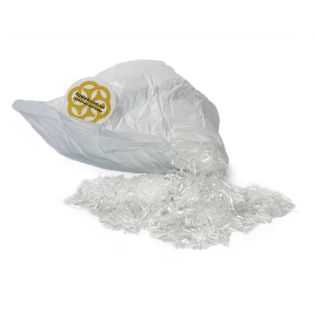
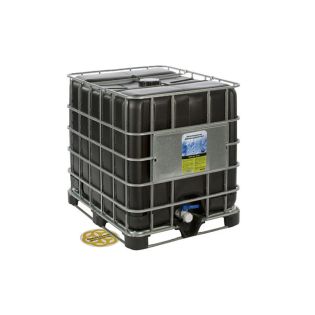
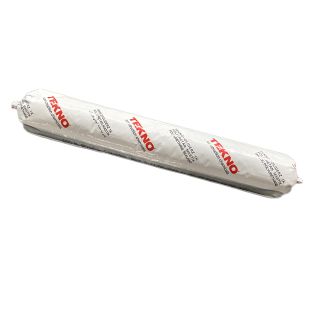 Teknopoliderz 1K polyurethane sealant, one-component, grey, highly elastic, UV resistant, 600 ml
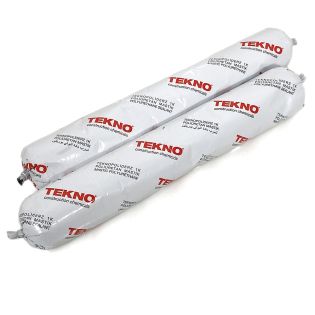 Teknopoliderz 1K Polyurethane Sealant, one-component, white, highly elastic, UV resistant, 600 ml
 Sealing rope made of foamed polyethylene for seams, diameter 6 mm, coil multiple of 500 r.m.
 Sealing harness made of foamed polyethylene for joints with a diameter of 8 mm, a coil multiple of 1000 r.m.
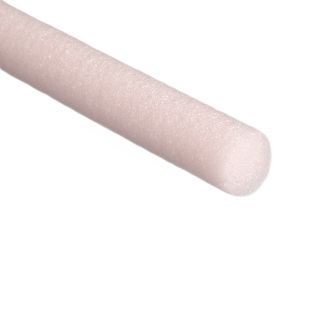 Sealing harness made of foamed polyethylene for joints with a diameter of 12 mm, a coil multiple of 500 r.m.
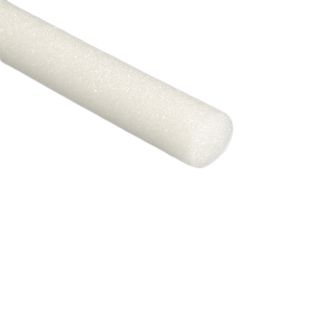 Sealing harness made of foamed polyethylene for joints with a diameter of 10 mm, coil 1000 r.m.
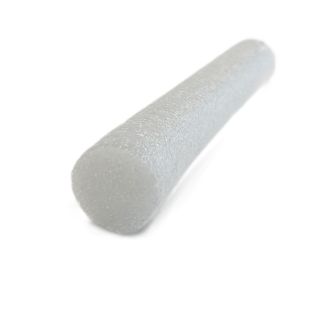
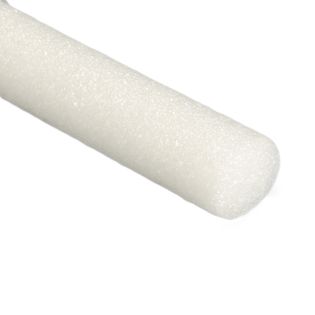
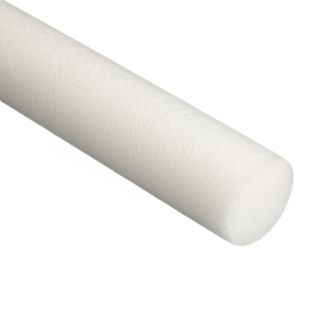 Sealing rope made of foamed polyethylene for joints with a diameter of 50 mm, pieces, 30 r.m.
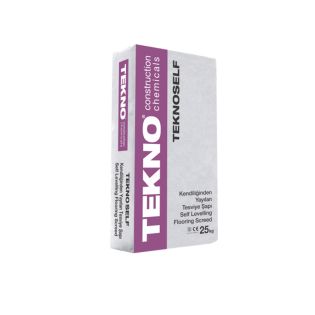 Teknoself self-leveling mortar for self-leveling floors, thin-layer non-shrinking, 25 kg
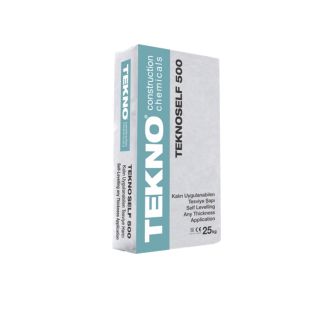 Teknoself 500 concrete flooring mortar, thin-layer, non-shrinking, high strength, 25 kg